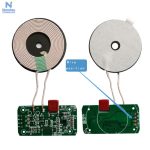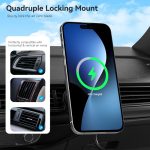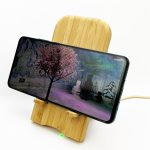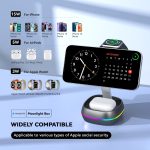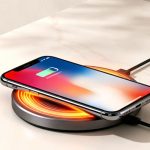
Sürətli simsiz şarj texnologiyası müasir smartfonlarda yeni bir texnologiyadan əsas xüsusiyyətə çevrilib. Şarj sürəti artmağa davam etdikcə, bir çox istehlakçı və alıcı eyni narahatlığı bölüşür: sürətli simsiz şarj cihazları uzunmüddətli smartfon istifadəsi üçün həqiqətən təhlükəsizdirmi?
Bu sual yalnız son istifadəçilər üçün deyil, həm də smartfon brendləri, aksesuar şirkətləri və tədarük qrupları üçün vacibdir. Təhlükəsizlik, batareya sağlamlığı və cihazın uzunömürlülüyü müştəri məmnuniyyətinə və marka nüfuzuna birbaşa təsir göstərir. Bu məqalədə simsiz şarjın necə sürətli işlədiyinə, hansı risklərin tez-tez səhv başa düşüldüyünə və müasir texnologiyaların uzunmüddətli təhlükəsizlik problemlərini necə həll etdiyinə daha yaxından nəzər salacağıq.
Niyə Sürətli Simsiz Şarj Təhlükəsizlik Suallarını Doğurur
Ənənəvi naqilli şarj enerjini birbaşa elektrik bağlantısı vasitəsilə təmin edir, simsiz şarj isə enerjini elektromaqnit sahələri vasitəsilə ötürür. Enerji səviyyələri artdıqda, təbii olaraq istilik istehsalı, enerji itkisi və batareyanın potensial sıradan çıxması ilə bağlı narahatlıqlar yaranır.
İlk simsiz şarj cihazları daha yavaş və daha az səmərəli idi, bu da inancını gücləndirirdi daha sürətli simsiz şarj təhlükəsizliyə xələl gətirə bilər. Lakin bu narahatlıqlar çox vaxt müasir simsiz şarj sistemlərindən daha çox köhnəlmiş texnologiyaya əsaslanır.
Simsiz şarjın nə qədər sürətlə inkişaf etdiyini anlamaq, onun real dünyada təhlükəsizliyini qiymətləndirmək üçün vacibdir.
Sürətli Simsiz Şarj Əslində Necə İşləyir
Sürətli simsiz şarj sadəcə cihaza daha çox enerji sərf etməklə bağlı deyil. Bu, şarj cihazı, smartfonu və hər iki tərəfdəki ağıllı idarəetmə çiplərini əhatə edən əlaqələndirilmiş sistemə əsaslanır.
Smartfon sürətli simsiz şarj cihazına yerləşdirildikdə, iki cihaz fasiləsiz əlaqə saxlayır. Şarj cihazı güc çıxışını telefonun batareya səviyyəsinə, temperaturuna və şarj vəziyyətinə əsasən tənzimləyir. Bu dinamik tənzimləmə cihazın yalnız təhlükəsiz işləmə limitləri daxilində enerji almasını təmin edir.
Təcrübədə, sürətli simsiz şarj, batareya tam tutuma yaxınlaşdıqca avtomatik olaraq yavaşlayır, batareyaya düşən yükü azaldır və istilik yığılmasını minimuma endirir.
İstilik İdarəetməsi: Əsas Təhlükəsizlik Faktoru
İstilik batareyanın sağlamlığına və doldurma təhlükəsizliyinə təsir edən əsas amildir. Həddindən artıq istilik batareyanın yaşlanmasını sürətləndirə və ekstremal hallarda təhlükəsizlik riskləri yarada bilər.
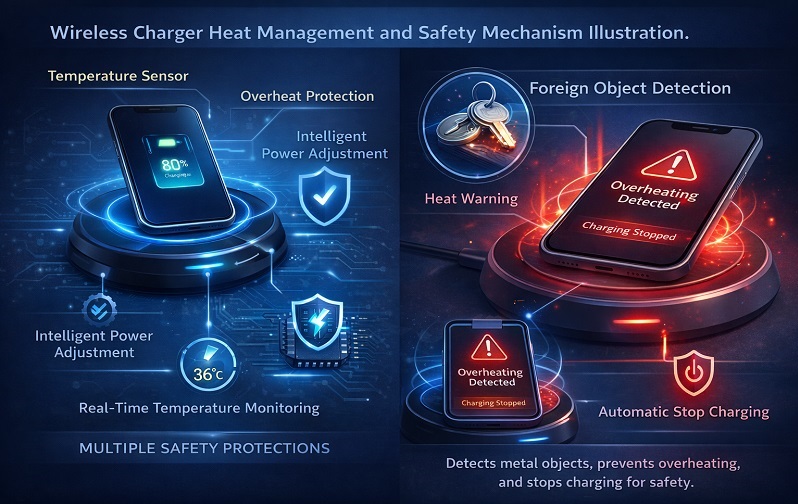
Müasir sürətli simsiz şarj cihazları qabaqcıl istilik idarəetmə sistemləri ilə hazırlanmışdır. Bunlara temperatur sensorları, ağıllı güc tənzimlənməsi və enerji ötürülməsi səmərəliliyini artıran optimallaşdırılmış spiral dizaynları daxildir.
Smartfon tərəfində, daxili istilik mühafizəsi mexanizmləri daxili temperaturu izləyir və qeyri-adi şərait aşkar edildikdə şarjı azalda və ya dayandıra bilər. Bu iki tərəfli mühafizə sistemi sürətli simsiz şarjla əlaqəli riskləri əhəmiyyətli dərəcədə azaldır.
Batareya Sağlamlığı və Uzunmüddətli Performans
Ümumi narahatlıqlardan biri sürətli simsiz şarjın zamanla batareyanın ömrünü qısaldıb-qısaltmamasıdır. Bütün şarj üsulları batareyanın tədricən yaşlanmasına səbəb olsa da, sürətli simsiz şarj düzgün şəkildə işlənildikdə batareyalara zərər vermir.
Müasir litium-ion batareyaları dəyişkən şarj sürətlərini idarə etmək üçün hazırlanmışdır. Ən vacib olan enerjinin kabeldən və ya simsizdən gəlməsi deyil, temperaturun idarə olunması və şarj sabitliyidir.
Sertifikatlı, yaxşı dizayn edilmiş şarj cihazları ilə istifadə edildikdə, sürətli simsiz şarj batareyanın sağlamlığını normal yaşlanma gözləntiləri daxilində saxlayır. Digər tərəfdən, keyfiyyətsiz şarj cihazları qeyri-sabit enerji təchizatına və həddindən artıq istiliyə səbəb ola bilər ki, bu da uzunmüddətli performansa mənfi təsir göstərə bilər.
Qi Standartlarının və Sertifikatlaşdırmasının Rolü
Qi sertifikatı sürətli simsiz şarjda təhlükəsizliyin və uyğunluğun təmin edilməsində mühüm rol oynayır. Qi sertifikatlı şarj cihazları enerji tənzimlənməsi, rabitə protokolları və istilik qorunması üçün ciddi tələblərə cavab verməlidir.
Alıcılar və brendlər üçün Qi uyğun simsiz şarj həllərinin seçilməsi təhlükəsizlik risklərini azaldır və müxtəlif smartfon modellərində etibarlı performans təmin edir. Sertifikatlaşdırma həmçinin həddindən artıq şarj, yad cisimlərin isinməsi və qeyri-sabit enerji ötürülməsi kimi problemlərin qarşısını almağa kömək edir.
Qlobal bazarlarda Qi sertifikatı getdikcə əlavə bir xüsusiyyət deyil, əsas tələb kimi qəbul edilir.
Xarici Əşyanın Aşkarlanması və İstifadəçi Təhlükəsizliyi
Simsiz şarjın özünəməxsus təhlükəsizlik xüsusiyyətlərindən biri yad cisimlərin aşkarlanmasıdır. Şarj cihazı ilə telefonun arasına qoyulmuş metal cisimlər elektromaqnit enerjisini uda və gözlənilmədən qıza bilər.
Müasir sürətli simsiz şarj cihazları yad cisimləri aktiv şəkildə aşkarlayır və lazım olduqda şarjı tənzimləyir və ya dayandırır. Bu xüsusiyyət həm cihazı, həm də istifadəçini qoruyur, ofislər, yataq otaqları və nəqliyyat vasitələri kimi gündəlik mühitlərdə simsiz şarjı daha təhlükəsiz edir.
Bu səviyyədə təhlükəsizlik monitorinqi simsiz şarjın hazırda ictimai və ortaq məkanlarda geniş şəkildə qəbul edilməsinin əsas səbəbidir.
Sürətli Simsiz Şarj vs Sürətli Simli Şarj
Bir çox istifadəçi simli şarjın həmişə simsiz şarjdan daha təhlükəsiz olduğunu düşünür. Əslində, hər iki üsul mürəkkəb enerji idarəetmə sistemlərinə əsaslanır və oxşar təhlükəsizlik problemlərini bölüşür.
Sürətli naqilli şarj, xüsusən də yüksək vattlı adapterlərdən və ya aşağı keyfiyyətli kabellərdən istifadə edərkən istilik yarada bilər. Fərq şarj metodunun özündə deyil, dizaynın, komponentlərin və təhlükəsizlik nəzarətinin keyfiyyətindədir.
Düzgün dizayn edildikdə, sürətli simsiz şarj, uzunmüddətli smartfon istifadəsi üçün sürətli simli şarj qədər təhlükəsizdir.
Gündəlik İstifadə və Doldurma Vərdişlərinə Təsiri
Simsiz şarj tez-tez daha sağlam şarj vərdişlərini təşviq edir. İstifadəçilər batareyanın çox aşağı səviyyəyə düşməsini gözləməkdənsə, gün ərzində telefonlarını ara-sıra şarj cihazına qoymağa daha çox meyllidirlər.
Bu dayaz doldurma dövrləri, ümumiyyətlə, tez-tez tam boşalmalara nisbətən litium-ion batareyaları üçün daha az stresslidir. Zamanla bu, daha sabit batareya performansına və təkmilləşdirilmiş istifadəçi təcrübəsinə töhfə verə bilər.
Davranış baxımından, simsiz şarj daha təbii və daha az aqressiv şarj modelini dəstəkləyir.
Brendlər və alıcılar nələrə diqqət yetirməlidirlər
Brendlər və tədarük qrupları üçün təhlükəsizlik təchizatçı seçimindən və məhsul dizaynından çox asılıdır. Bütün sürətli simsiz şarj cihazları eyni dərəcədə yaradılmayıb.
Əsas mülahizələrə enerji idarəetmə çipinin keyfiyyəti, istilik dizaynı üzrə təcrübə, sertifikatlaşdırma hazırlığı və keyfiyyətə nəzarət prosesləri daxildir. Simsiz şarj sahəsində təcrübəsi olan istehsalçılar sürət, səmərəlilik və təhlükəsizlik arasında tarazlığı daha yaxşı təmin edirlər.
Etibarlı istehsal tərəfdaşlarına investisiya qoymaq məhsulun sıradan çıxması, gəlir əldə etməməsi və nüfuza xələl gətirmə riskini azaldır.
Sürətli Simsiz Şarj Haqqında Ümumi Miflər
Sürətli simsiz şarjla bağlı bir neçə mif hələ də dolaşır. Bunlardan biri simsiz şarjın həmişə cihazları həddindən artıq qızdırmasıdır ki, bu da müasir texnologiyalarda artıq doğru deyil. Digəri isə daha sürətli şarjın avtomatik olaraq batareyanın ömrünü azaltmasıdır ki, bu da batareyaların əslində necə yaşlandığını həddindən artıq sadələşdirir.
Əslində, təhlükəsizlik yalnız şarj sürəti ilə deyil, sistem səviyyəli dizaynla müəyyən edilir. Yaxşı dizayn edilmiş sürətli simsiz şarj cihazları təhlükəsiz hədlər daxilində işləyir və bazara çıxmazdan əvvəl hərtərəfli sınaqdan keçirilir.
İstifadəçiləri və alıcıları maarifləndirmək etimad yaratmağa kömək edir və simsiz şarj həllərinin daha geniş tətbiqini dəstəkləyir.
Təhlükəsiz Simsiz Sürətli Şarjın Gələcəyi
Simsiz şarj texnologiyası səmərəlilik, istilik nəzarəti və ağıllı enerji idarəetməsində davamlı irəliləyişlərlə inkişaf etməyə davam edir. Gələcək inkişaflar istilik istehsalını daha da azalda və şarj dəqiqliyini artıra bilər.
Bu yeniliklər yetkinləşdikcə, sürətli simsiz şarjın daha da təhlükəsiz və etibarlı hala gələcəyi, rahatlıq xüsusiyyəti əvəzinə standart şarj metodu kimi rolunu gücləndirəcəyi gözlənilir.
Bu irəliləyişləri erkən qəbul edən brendlər, dəyişən istehlakçı gözləntilərini qarşılamaq üçün daha yaxşı mövqedədirlər.
Nəticə
Sürətli simsiz şarj cihazları düzgün dizayn edildikdə, sertifikatlaşdırıldıqda və nəzərdə tutulduğu kimi istifadə edildikdə uzunmüddətli smartfon istifadəsi üçün təhlükəsizdir. Müasir simsiz şarj sistemləri təhlükəsizliyi və batareyanın sağlamlığını təmin etmək üçün qabaqcıl istilik idarəetməsi, ağıllı rabitə və çoxsaylı qoruma təbəqələrini özündə birləşdirir.
Sürətli simsiz şarj risk yaratmaq əvəzinə, müasir istifadə vərdişləri və məhsul ekosistemləri ilə uyğunlaşan yetkin və etibarlı bir texnologiyanı təmsil edir. Həm istehlakçılar, həm brendlər, həm də alıcılar üçün sürətli simsiz şarjın arxasındakı texnologiyanı anlamaq köhnəlmiş narahatlıqları mövcud reallıqdan ayırmağa kömək edir.
Simsiz şarj texnologiyası inkişaf etməyə davam etdikcə, təhlükəsizlik güzəşt deyil, əsas prioritet olaraq qalır.
Bəyənə bilərsən
 Xüsusi Made Simsiz Doldurma PCBA Assambleyası Təchizatçısı
- Avtomobil üçün maqnit simsiz telefon şarj cihazları iPhone üçün təhlükəsizdirmi?
- Aromaterapiya ilə 15W induksiya avtomobil simsiz şarj mobil telefon sahibi
- Avtomobil üçün Avtomatik Sıxma Ağıllı Sürətli Doldurma 15W Saxlayıcı Simsiz Şarj Cihazı
- Çoxfunksiyalı şaquli üfüqi simsiz şarj
- Hamilələr üçün Təhlükəsiz Avtomobil Hava Təravətləndiricisi Körpələr üçün | OEM Avtomobil Ventasiya Ətir Diffuzoru Təchizatçısı
- Ən Yaxşı Simsiz Şarj Cihazını İnternetdən Haradan Almaq Olar?
- Simsiz şarj cihazları telefon qutuları ilə işləyirmi?
- Ucuz simsiz şarj cihazları etibarlı və təhlükəsizdirmi?
- Simsiz Telefon Doldurucularının Genişlənən Faydaları: Gücdən Kənarda Çoxfunksiyalı Ağıllı Yaşayış