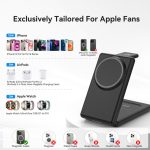
In den letzten zehn Jahren hat sich kabelloses Laden von einer praktischen Nischenfunktion zu einem Kernbestandteil moderner Smartphone-Ökosysteme entwickelt. Was einst als Premium-Extra galt, wird heute von Verbrauchern weltweit als Standard erwartet. Daher setzen immer mehr Smartphone-Hersteller – von globalen Marktführern bis hin zu aufstrebenden regionalen Anbietern – aktiv auf kabellose Ladelösungen.
Doch warum vollzieht sich dieser Wandel so rasant? Ist er allein auf die Verbrauchernachfrage zurückzuführen oder stecken tieferliegende technologische, gestalterische und lieferkettenbedingte Gründe dahinter? In diesem Artikel untersuchen wir die Schlüsselfaktoren, die Smartphone-Hersteller zum kabellosen Laden bewegen, und was dieser Trend für die Zukunft mobiler Stromversorgungslösungen bedeutet.
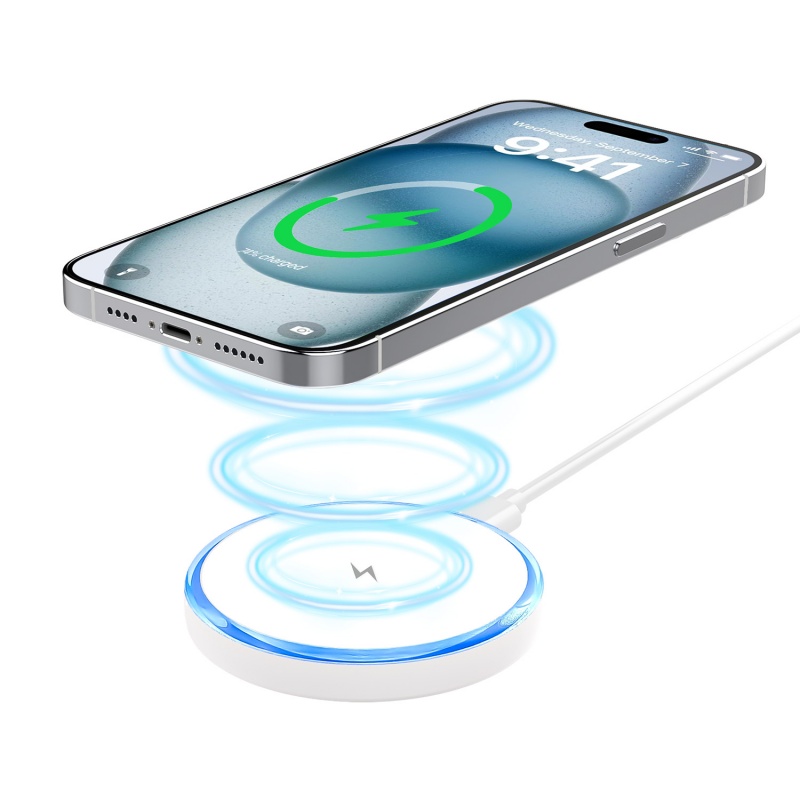
Die wachsende Verbrauchernachfrage nach kabellosem Komfort
Einer der offensichtlichsten Gründe für den Aufstieg des kabellosen Ladens ist das veränderte Konsumverhalten. Smartphone-Nutzer legen heute mehr denn je Wert auf Komfort, Einfachheit und reibungslose Abläufe. Mehrmals täglich Kabel ein- und auszustecken, wirkt in einer Welt, die von Smart Homes, drahtloser Audioübertragung und kontaktlosem Bezahlen geprägt ist, überholt.
Kabelloses Laden ermöglicht es Nutzern, ihr Smartphone einfach auf ein Ladepad oder einen Ladeständer zu legen, ohne sich Gedanken über Kabelausrichtung, Abnutzung der Anschlüsse oder Kompatibilitätsprobleme machen zu müssen. Dieses unkomplizierte Erlebnis passt perfekt zu modernen Lifestyle-Trends, insbesondere zu Hause, im Büro, im Auto, im Hotel und im öffentlichen Raum.
Für Smartphone-Hersteller ist die Erfüllung dieser Erwartungshaltung nicht mehr optional. Geräte ohne kabelloses Laden könnten als weniger fortschrittlich oder weniger benutzerfreundlich wahrgenommen werden, insbesondere im mittleren bis gehobenen Marktsegment.
Gestaltungsfreiheit und minimalistische Produktästhetik
Ein weiterer wichtiger Faktor ist das Industriedesign. Im Wettbewerb der Smartphone-Hersteller um immer dünnere, elegantere und minimalistischere Geräte ist die optimale Nutzung des internen Platzes entscheidend geworden. Herkömmliche Ladeanschlüsse erfordern strukturelle Verstärkung, wasserdichte Abdichtung und präzise mechanische Ausrichtung, was allesamt Designbeschränkungen mit sich bringt.
Kabelloses Laden reduziert die Abhängigkeit von physischen Anschlüssen und ermöglicht ein aufgeräumteres Außendesign. Einige Hersteller haben bereits mit Konzepten experimentiert, die weniger oder gar keine Anschlüsse bieten und bei denen kabelloses Laden eine zentrale Rolle in der Stromversorgung spielt.
Zudem fördern kabellose Ladezubehörteile – wie vertikale Ständer oder Ladestationen für mehrere Geräte – ein hochwertigeres und lifestyleorientiertes Markenimage. Dies hilft Smartphone-Herstellern, ihr Ökosystem über das Gerät selbst hinaus zu erweitern und den Zubehörumsatz zu steigern.
Verbesserte Haltbarkeit und reduzierter mechanischer Verschleiß
Aus Sicht der Produktzuverlässigkeit zählen Ladebuchsen zu den ausfallgefährdetsten Bauteilen von Smartphones. Staubablagerungen, Feuchtigkeitseintritt, Oxidation und wiederholte mechanische Belastung können im Laufe der Zeit zu Ladeproblemen führen.
Kabelloses Laden minimiert den physischen Verschleiß, da Nutzer seltener auf Kabelverbindungen angewiesen sind. Für Marken bedeutet dies weniger Reklamationen nach dem Kauf, geringere Garantiekosten und eine höhere langfristige Kundenzufriedenheit.
Dieser Vorteil in puncto Langlebigkeit ist besonders attraktiv für Smartphones, die für den intensiven täglichen Gebrauch, Unternehmensumgebungen oder Benutzer in feuchten oder staubigen Regionen konzipiert sind.
Fortschritte in der drahtlosen Ladetechnologie
Frühe kabellose Ladelösungen wurden oft wegen ihrer geringen Ladegeschwindigkeit, der starken Wärmeentwicklung und des schlechten Wirkungsgrads kritisiert. Jüngste Fortschritte haben diese Wahrnehmung jedoch deutlich verändert.
Moderne kabellose Ladegeräte unterstützen jetzt eine höhere Ausgangsleistung, eine verbesserte Spulenausrichtung, ein intelligenteres Temperaturmanagement und eine stabilere Energieübertragung. Schnelles kabelloses Laden ist damit Realität und kein Kompromiss mehr.
Gleichzeitig haben globale Standards wie die Qi-Zertifizierung dazu beigetragen, die Kompatibilität zwischen Geräten und Marken zu vereinheitlichen. Diese Standardisierung gibt Smartphone-Herstellern mehr Sicherheit, dass ihre Geräte reibungslos mit einer Vielzahl von kabellosen Ladegeräten von Drittanbietern funktionieren.
Da sich die Leistungsunterschiede zwischen kabelgebundenem und kabellosem Laden immer weiter verringern, haben die Hersteller immer weniger Gründe, das kabellose Laden aus ihrer Produktstrategie auszuschließen.
Ökosystemerweiterung und Möglichkeiten für Zusatzeinnahmen
Kabelloses Laden beschränkt sich längst nicht mehr nur auf das Aufladen von Smartphones. Es ist zunehmend Teil eines umfassenderen Ökosystems, das Ohrhörer, Smartwatches, Tablets und andere tragbare Geräte umfasst.
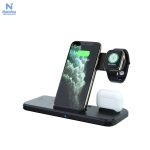
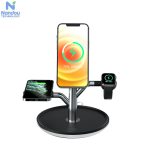
Kabellose Ladestationen für mehrere Geräte ermöglichen es Nutzern, verschiedene Produkte gleichzeitig aufzuladen. Dies stärkt das Markenökosystem und bindet Kunden an dieselbe Marke. Für Smartphone-Hersteller ergeben sich dadurch zusätzliche Möglichkeiten zur Monetarisierung und Markenbindung.
Aus betriebswirtschaftlicher Sicht bieten kabellose Ladezubehörteile oft gute Gewinnspannen und kürzere Entwicklungszyklen als Smartphones selbst. Das macht sie zu einer attraktiven Erweiterung des Produktportfolios einer Marke.
Die Rolle der globalen Fertigungs- und Lieferkettenreife
Die breite Akzeptanz des kabellosen Ladens wurde auch durch eine ausgereifte globale Lieferkette ermöglicht. Produktionszentren mit starken Forschungs- und Entwicklungskapazitäten, skalierbarer Produktionskapazität und Erfahrung in der Unterhaltungselektronik spielten über die Jahre eine entscheidende Rolle bei der Kostensenkung bei gleichzeitiger Aufrechterhaltung der Qualität.
Zuverlässige Fertigungspartner bieten heute umfassende Unterstützung – von der Elektronikentwicklung und thermischen Optimierung bis hin zur Serienproduktion, Qualitätskontrolle und Konformitätsprüfung. Dies erleichtert Smartphone-Herstellern die Integration von kabellosem Laden in ihre Produktlinien ohne übermäßiges Risiko oder lange Entwicklungszeiten.
Da Produktionsprozesse immer standardisierter und effizienter werden, sind kabellose Ladelösungen nicht mehr nur Flaggschiffgeräten vorbehalten. Sie sind zunehmend auch für Mittelklasse- und sogar Einsteiger-Smartphones verfügbar.
Nachhaltigkeit und langfristige Umweltaspekte
Nachhaltigkeit ist für Verbraucher und Marken gleichermaßen zu einem wichtigen Faktor geworden. Kabelloses Laden kann umweltfreundliche Initiativen unterstützen, indem es Kabelmüll reduziert, die Lebensdauer von Geräten durch weniger Beschädigungen der Anschlüsse verlängert und die gemeinsame Nutzung von Ladeinfrastruktur im öffentlichen Raum ermöglicht.
Einige Marken erforschen zudem modulare oder universelle kabellose Ladezubehörteile, die mit verschiedenen Produktgenerationen kompatibel sind. Dieser Ansatz entspricht den Prinzipien der Kreislaufwirtschaft und trägt langfristig zur Reduzierung von Elektroschrott bei.
Auch wenn kabelloses Laden nicht per se nachhaltiger ist, kann seine Integration in durchdachte Produktökosysteme bei verantwortungsvoller Gestaltung langfristige Umweltziele unterstützen.
Wettbewerbsdifferenzierung in überfüllten Märkten
Der globale Smartphone-Markt ist hart umkämpft, viele Geräte bieten ähnliche Kernspezifikationen. Kabelloses Laden stellt ein wichtiges Differenzierungsmerkmal dar, insbesondere in Kombination mit einzigartigen Zubehördesigns, schnelleren Ladezeiten oder der Möglichkeit, mehrere Geräte gleichzeitig zu laden.
Für aufstrebende Marken kann das Angebot von kabellosem Laden dazu beitragen, Produkte als modern und wettbewerbsfähig zu positionieren, selbst im Wettbewerb mit etablierten Anbietern. Für Premiummarken stärken fortschrittliche kabellose Ladelösungen ihre Innovationskraft und Technologieführerschaft.
Mit zunehmendem Bewusstsein der Verbraucher könnte das Fehlen von kabellosem Laden in bestimmten Märkten sogar zu einem Nachteil werden.
Regionale Markttrends und globale Akzeptanz
Die Nutzung von kabellosem Laden ist besonders stark in Regionen, in denen Smartphones weit verbreitet sind und Nutzer häufig mehrere Geräte gleichzeitig verwenden. In Nordamerika, Europa und Teilen des asiatisch-pazifischen Raums wird kabelloses Laden zunehmend als Standardfunktion und nicht mehr als Luxus angesehen.
Öffentliche, drahtlose Ladeinfrastruktur in Cafés, Flughäfen, Hotels und Fahrzeugen beschleunigt die Verbreitung zusätzlich. Smartphone-Hersteller, die diese Märkte ansprechen, müssen ihre Produktangebote an die lokalen Nutzungsgewohnheiten und Erwartungen anpassen.
Gleichzeitig profitieren globale Vertriebskanäle von standardisierten drahtlosen Ladelösungen, die internationalen Vorschriften und Zertifizierungen entsprechen.
Was dieser Trend für die Zukunft von Smartphones bedeutet
Der zunehmende Trend zum kabellosen Laden spiegelt einen umfassenderen Wandel in der Art und Weise wider, wie Menschen mit Technologie interagieren. Smartphones werden immer stärker in den Alltag integriert, und die Stromversorgung soll unsichtbar, mühelos und zuverlässig erfolgen.
Zukünftig könnte sich das kabellose Laden über Ladepads hinaus weiterentwickeln und das Laden über größere Entfernungen, integrierte Oberflächen und intelligentere Energiemanagementsysteme umfassen. Smartphone-Hersteller, die frühzeitig in diesen Wandel investieren, werden besser gerüstet sein, sich an zukünftige Innovationen anzupassen.
Anstatt das kabelgebundene Laden kurzfristig vollständig zu ersetzen, entwickelt sich das kabellose Laden zu einer unverzichtbaren ergänzenden Lösung, die Produktdesign, Benutzererfahrung und Markenstrategie prägt.
Abschluss
Immer mehr Smartphone-Hersteller setzen auf kabellose Ladelösungen, da die Vorteile weit über den Komfort hinausgehen. Von verbesserter Designflexibilität und Langlebigkeit bis hin zur Erweiterung des Ökosystems und der Differenzierung im Markt – kabelloses Laden erfüllt sowohl die Erwartungen der Verbraucher als auch die Geschäftsziele.
Mit fortschreitender technologischer Entwicklung und effizienteren globalen Lieferketten ist kabelloses Laden kein Nischenmerkmal mehr, das nur Flaggschiffgeräten vorbehalten ist. Es entwickelt sich rasant zu einem Standardbestandteil moderner Smartphones und zu einem wichtigen Innovationstreiber in der Mobilfunkbranche.
Für Marken, die in einem sich schnell entwickelnden Markt wettbewerbsfähig bleiben wollen, ist die Nutzung von kabellosem Laden nicht nur ein Trend – es ist eine strategische Entscheidung, die die Zukunft der mobilen Energieversorgung prägt.
Das könnte Ihnen gefallen
 25-W-Bluetooth-Lautsprecher mit kabellosem Ladegerät: Das perfekte Firmengeschenk
- Multifunktionales kabelloses Ladegerät 4 in 1
- Welches ist das leistungsstärkste kabellose Ladegerät auf dem Markt?
- Lang anhaltender Auto-Lufterfrischer
- 3-in-1-Wireless-Ladegerät und kabellose Ladestation
- USB-Mehrfachanschluss, 15 W kabelloses Ladegerät + 3 USB-Schnittstellen
- Sind 3-in-1-Wireless-Ladegeräte mit iPhone, Apple Watch und AirPods kompatibel?
- 3-in-1 15W Faltbarer Tischhalter mit kabellosem magnetischem Ladegerät
- Aromatherapie-Spray fürs Auto
- Automatische Klemmung, intelligentes Schnelllade-15W-Halterung, kabelloses Ladegerät fürs Auto