Juhtmevaba laadimine on muutunud tänapäevaste nutitelefonide määravaks tunnuseks, muutes seda, kuidas kasutajad oma seadmeid kodus, kontoris ja liikvel olles laadivad. Kuigi paljud tarbijad naudivad juhtmevaba laadimise mugavust, mõistavad vähesed, kuidas see tehnoloogia kulisside taga töötab.
Nutitelefonide kaubamärkide, tootejuhtide ja ostjate jaoks on oluline mõista juhtmevaba laadimine Tehnoloogia on enamat kui lihtsalt tehniline kurioosum. See mõjutab otseselt toote disaini, laadimise jõudlust, ohutust, kulude kontrolli ja kasutajakogemust. Selles artiklis selgitame, kuidas traadita laadimine tänapäevastes nutitelefonides töötab, miks see on muutunud usaldusväärseks ja mida peaksid kaubamärgid selle kasutuselevõtul arvestama.
Juhtmevaba laadimise põhiprintsiip
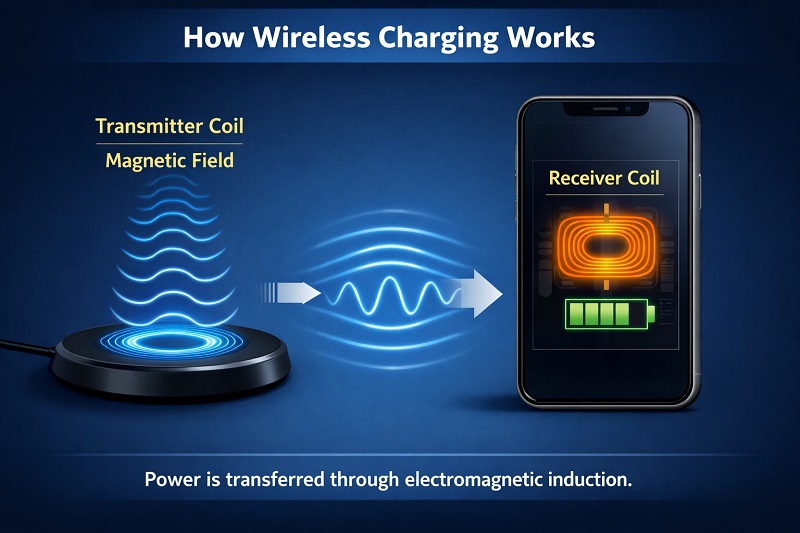
Traadita laadimine põhineb elektromagnetilisel induktsioonil. Füüsilise kaabli asemel edastatakse energiat juhtmevabalt kahe mähise vahel.
Üks mähis asub traadita laadija sees ja seda nimetatakse saatjamähiseks. Teine on nutitelefoni sisse ehitatud ja seda nimetatakse vastuvõtumähiseks. Kui laadija on ühendatud toiteallikaga, tekitab see saatjamähise kaudu vahelduva elektromagnetvälja. Kui nutitelefon asetatakse laadimispinnale, püüab vastuvõtumähis selle energia kinni ja muundab selle tagasi elektrivooluks aku laadimiseks.
See protsess toimub automaatselt ja nähtamatult, luues kasutajale sujuva laadimiskogemuse.
Qi juhtmevaba laadimise standardite roll
Enamik tänapäevaseid nutitelefone tugineb Qi juhtmevaba laadimise standardile, mis on laialdaselt kasutusel kogu maailma tarbeelektroonikatööstuses. Qi määratleb, kuidas juhtmevaba energiaülekanne peaks toimima, sealhulgas võimsustasemed, sideprotokollid ja ohutusnõuded.
Ühtse standardi järgimisega tagavad nutitelefonibrändid ühilduvuse paljude kolmandate osapoolte juhtmevabade laadijatega. See vähendab kasutajate hõõrdumist ja võimaldab brändidel juhtmevaba laadimise enesekindlalt oma seadmetesse integreerida, ilma et kliente sidutaksime patenteeritud lisatarvikutega.
Tootmise ja hankimise seisukohast lihtsustab Qi sertifitseerimine ka tootearendust ja vastavustestimist, eriti rahvusvahelistele turgudele suunatud kaubamärkide jaoks.
Laadija ja nutitelefoni vaheline side
Juhtmevaba laadimine ei seisne ainult energia ülekandmises. Kaasaegsed süsteemid hõlmavad pidevat sidet laadija ja nutitelefoni vahel.
Kui seade on juhtmevabale laadijale asetatud, vahetavad need kaks komponenti andmeid optimaalsete laadimistingimuste määramiseks. See hõlmab seadme tuvastamist, energiavajaduse kinnitamist, temperatuuri jälgimist ja väljundvõimsuse reguleerimist reaalajas.
Kui telefoni ja laadija vahel tuvastatakse võõrkeha, näiteks metallvõti või münt, saab süsteem vähendada või peatada energiaülekande, et vältida ülekuumenemist või ohutusriske. See intelligentne kommunikatsioon on peamine põhjus, miks traadita laadimine on tänapäeval palju ohutum ja usaldusväärsem kui varasemate põlvkondade lahendused.
Kuidas võimsustase on aja jooksul paranenud
Varased juhtmevabad laadijad pakkusid tavaliselt väikest väljundvõimsust, mille tulemuseks oli aeglane laadimiskiirus. See piiras nende kasutuselevõttu ja tekitas arusaama, et juhtmevaba laadimine sobib ainult öiseks kasutamiseks.
Kaasaegne juhtmevaba laadimise tehnoloogia on märkimisväärselt arenenud. Edusammud mähise disainis, energiahalduskiipides ja termilise juhtimise valdkonnas võimaldavad nüüd suuremat energiaülekannet ja paremat efektiivsust. Kiire juhtmevaba laadimine on muutunud laialdaselt kättesaadavaks, muutes juhtmevabad lahendused praktiliseks igapäevaseks kasutamiseks, mitte ainult mugavaks laadimiseks.
Nutitelefonide kaubamärkide jaoks tähendab see täiustus seda, et juhtmevaba laadimist saab nüüd positsioneerida põhifunktsioonina, mitte teisejärgulise valikuna.
Mähise kujundamise ja joondamise väljakutsed
Üks juhtmevaba laadimise tehnilisi väljakutseid on mähise joondamine. Tõhusa energiaülekande tagamiseks peavad saatja ja vastuvõtja mähised olema õigesti joondatud. Halb joondamine võib põhjustada energiakadu, aeglasemat laadimist või ülekuumenemist.
Selle probleemi lahendamiseks kasutavad tootjad optimeeritud mähisekujusid, mitme mähisega paigutust ja intelligentseid positsioneerimissüsteeme. Mõned traadita laadijad on loodud laiemate laadimistsoonidega, et parandada kasutuskogemust, samas kui nutitelefonides on stabiilse jõudluse tagamiseks integreeritud täpselt paigutatud vastuvõtumähised.
Tootearenduse seisukohast mängib mähise disain olulist rolli laadimiskiiruse, soojusomaduse, seadme paksuse ja tootmiskulude tasakaalustamisel.
Soojusjuhtimine ja ohutuskaalutlused
Soojuse haldamine on traadita laadimistehnoloogia üks olulisemaid aspekte. Kuna energiat edastatakse elektromagnetväljade kaudu, on teatav energiakadu vältimatu ja see kadu avaldub soojusena.
Kaasaegsed juhtmevabad laadimissüsteemid kasutavad temperatuuri haldamiseks mitut kaitsekihti. Nende hulka kuuluvad reaalajas temperatuuri jälgimine, intelligentne võimsuse reguleerimine ja automaatne väljalülitus ebanormaalsete tingimuste tuvastamisel.
Nutitelefonide kaubamärkide jaoks on õige termiline disain oluline mitte ainult kasutaja ohutuse, vaid ka aku tervise ja seadme pikaajalise töökindluse tagamiseks. Hästi projekteeritud juhtmevabad laadimislahendused aitavad pikendada aku eluiga ja vähendada jõudluse halvenemist aja jooksul.
Integratsioon tänapäevastes nutitelefonides
Juhtmevaba laadimise integreerimine nutitelefoni nõuab hoolikat riist- ja tarkvara koordineerimist. Vastuvõtumähis tuleb seadmesse täpselt paigutada, jättes samal ajal ruumi akule, kaameramoodulitele, antennidele ja muudele komponentidele.
Lisaks mõjutavad telefoni tagakaanes kasutatavad materjalid juhtmevaba laadimise efektiivsust. Klaas ja teatud komposiitmaterjalid lasevad elektromagnetvälju läbi tõhusamalt kui metall, mistõttu on paljudel juhtmevaba laadimist toetavatel nutitelefonidel klaasist tagaküljed.
See integratsiooniprotsess toob esile, miks on nutitelefonibrändide ja kogenud tootmispartnerite tihe koostöö arendusprotsessi ajal ülioluline.
Juhtmevabad laadimistarvikud ja kasutusstsenaariumid
Juhtmevaba laadimine ei piirdu enam lamedate laadimispatjadega. Moodsate lisatarvikute hulka kuuluvad vertikaalsed laadimisalused, autosse paigaldatavad juhtmevabad laadijad ja mitme seadme laadimisjaamad.
Need lisatarvikud toetavad laia valikut kasutusstsenaariume, näiteks videokõnesid laadimise ajal, kontoris laua taga kasutamist või käed-vabad navigeerimist sõidukites. Brändide jaoks parandab ühilduvate juhtmevabade laadimistarvikute pakkumine üldist ökosüsteemi ja tugevdab klientide kaasatust.
Tehnilisest vaatenurgast peab lisatarvikute disain arvestama seadme stabiilsuse, vaatenurkade, õhuvoolu ja energiatarbimise järjepidevusega erinevates kasutustingimustes.
Tõhusus vs mugavus: praktiline tasakaal
Kuigi juhtmega laadimine on energia edastamisel veidi tõhusam, pakub juhtmevaba laadimine võrratut mugavust. Enamiku kasutajate jaoks kaalub päeva jooksul vaevata laadimise võimalus üles väikesed erinevused efektiivsuses.
Kaasaegne juhtmevaba laadimise tehnoloogia on seda lõhet märkimisväärselt vähendanud. Kuna efektiivsus paraneb ja soojuse teke väheneb, on juhtmevaba laadimine üha enam populaarsust kogumas peamise laadimismeetodina, mitte teisejärgulisena.
Nutitelefonibrändide jaoks aitab selle tasakaalu mõistmine juhtmevaba laadimist tootesõnumites ja funktsioonide prioriseerimisel täpselt positsioneerida.
Miks on traadita laadimise mõistmine brändide jaoks oluline
Ostjate, tootejuhtide ja inseneride jaoks võimaldab juhtmevaba laadimise toimimise mõistmine paremaid otsuseid langetada. See mõjutab komponentide valikut, kulude kontrolli, kvaliteedi tagamist ja pikaajalist tootestrateegiat.
Kuna juhtmevaba laadimine muutub üha enamates hinnasegmentides standardfunktsiooniks, on brändid, kes tehnoloogiat täielikult mõistavad, paremini varustatud oma toodete eristamiseks, jõudluse optimeerimiseks ja tootmispartneritega tõhusaks koostööks.
See teadmine toetab ka kiiremaid arendustsükleid ja sujuvamat üleminekut kontseptsioonilt masstootmisele.
Kokkuvõte
Tänapäevaste nutitelefonide juhtmevaba laadimistehnoloogia põhineb elektromagnetiliste põhimõtete, intelligentse kommunikatsiooni, täiustatud soojushalduse ja täpse inseneritöö kombinatsioonil. See, mis kasutajale tundub lihtne, on aastatepikkuse tehnoloogilise täiustamise ja tööstuskoostöö tulemus.
Laadimiskiiruste paranedes ja ülemaailmsete standardite arenedes on juhtmevaba laadimine muutumas nutitelefonide disaini lahutamatuks osaks, mitte valikuliseks funktsiooniks. Nii kaubamärkide kui ka ostjate jaoks on selle tehnoloogia toimimise mõistmine esimene samm selle täieliku potentsiaali ärakasutamiseks tulevastes toodetes.
Teile võib meeldida
 Nutikas autosisene pihustatav aroomiteraapia – nutikas autoõhuvärskendaja moodsatele sõidukitele
- Auto juhtmevaba laadija Õhuava tüüp Kiirlaadimise valik
- 15W nutikas kiirlaadimisega juhtmevaba autolaadija: usaldusväärne uuendus tänapäeva autojuhtidele
- 2-ühes qi2 auto magnetiline juhtmevaba laadija teleskoopkaabliga
- Parim 3-ühes juhtmevaba laadimisjaam telefonile, kõrvaklappidele ja kellale – kiire lauaarvuti laadimislahendus
- 3-ühes 10W kvaliteetne juhtmevaba muusikaga stereokõlar koos 15W juhtmevaba laadija ja äratuskellaga
- Kuidas valida parim juhtmevaba laadija koju või kontorisse?
- Rasedatele ohutu auto õhuvärskendaja imikutele | OEM auto ventilatsiooniava aroomihajuti tarnija
- 10 ml tühi auto parfüümipudel õhuvärskendaja jaoks
- Juhtmevaba laadija sisseehitatud mööbli jaoks