مقدمه: چرا شارژ بیسیم خانگی آینده است؟
با تسلط روزافزون دستگاههای هوشمند بر زندگی روزمره، خانوادههای مدرن با چالش جدیدی روبرو هستند: چگونه چندین دستگاه را به طور کارآمد، ایمن و از نظر زیبایی شارژ کنیم. گوشیهای هوشمند، هدفونهای بیسیم، ساعتهای هوشمند، تبلتها و حتی لوازم جانبی خانه هوشمند همگی به شارژ مکرر متکی هستند. شارژرهای سیمی سنتی باعث ایجاد بینظمی، ناراحتی و تجربه کاربری متناقض میشوند.
اینجاست که راهکارهای شارژ بیسیم خانگی وارد عمل میشوند.
از دیدگاه یک تولیدکننده صنعتی، شارژ بیسیم دیگر فقط یک ویژگی رفاهی نیست - بلکه به یک جزء زیرساختی اصلی اکوسیستم خانه هوشمند تبدیل شده است. با پذیرش سریع استانداردهای دارای گواهینامه Qi، فناوری شارژ بیسیم سریع و سیستمهای شارژ چند دستگاهی، شارژ بیسیم در حال تعریف مجدد نحوه تحویل انرژی در داخل خانهها است.
این مقاله مروری جامع و حرفهای بر راهکارهای شارژ بیسیم خانگی، شامل اصول فناوری، دستهبندی محصولات، موارد استفاده، استانداردهای ایمنی و روندهای آینده ارائه میدهد - که بهطور خاص برای خریداران، برندها و شرکای جهانی که به دنبال درک یا تهیه محصولات شارژ بیسیم هستند، نوشته شده است.
راهکار شارژ بیسیم خانگی چیست؟
یک راهکار شارژ بیسیم خانگی به سیستم یا مجموعهای از محصولات شارژ بیسیم اشاره دارد که برای رفع نیازهای شارژ محیطهای خانگی طراحی شدهاند. برخلاف شارژرهای تکمنظوره، این راهکارها بر موارد زیر تمرکز دارند:
- سازگاری با چند دستگاه
- ادغام یکپارچه در فضاهای خانه
- ایمنی و بهرهوری انرژی
- دوام طولانی مدت و راحتی کاربر
راهکارهای معمول شارژ بیسیم خانگی عبارتند از:
- پدها و پایههای شارژ بیسیم
- ایستگاههای شارژ چند دستگاهی
- یکپارچهسازی مبلمان با شارژ بیسیم
- سیستمهای شارژ کنار تخت، رومیزی و اتاق نشیمن
از دیدگاه تولید، یک راهکار واقعی فقط یک محصول نیست - بلکه ترکیبی از طراحی سختافزار، پروتکلهای شارژ، مدیریت توان و مهندسی کاربرمحور است.
فناوری اصلی پشت شارژ بیسیم در خانه
۱. استاندارد شارژ بیسیم چی (Qi)
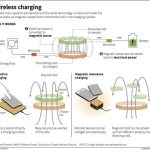
اکثر شارژرهای بیسیم خانگی امروزی بر اساس استاندارد شارژ بیسیم Qi هستند که توسط کنسرسیوم انرژی بیسیم (WPC) توسعه داده شده است. Qi امکان انتقال ایمن و کارآمد انرژی را از طریق القای الکترومغناطیسی فراهم میکند.
مزایای کلیدی فناوری چی (Qi):
- سازگاری گسترده با برندهای اصلی (اپل، سامسونگ، هواوی و غیره)
- تشخیص جسم خارجی (FOD)
- تنظیم خودکار توان
- رعایت ایمنی بینالمللی
از دیدگاه تولید OEM/ODM، گواهینامه Qi برای ورود به بازارهای جهانی مانند اروپا و آمریکای شمالی ضروری است.
۲. شارژ بیسیم سریع برای مصارف خانگی
خانوادههای مدرن به دنبال سرعت هستند. راهکارهای شارژ بیسیم خانگی امروزی معمولاً از موارد زیر پشتیبانی میکنند:
- ۷.۵ وات برای آیفون
- ۱۰ تا ۱۵ وات برای دستگاههای اندروید
- تا 30 وات+ برای تبلتها و دستگاههای آینده
شارژ بیسیم سریع نیاز به موارد زیر دارد:
- کویلهای با کیفیت بالا
- مدیریت حرارتی پیشرفته
- تراشههای هوشمند کنترل توان
تولیدکنندگان باید بین سرعت شارژ، کنترل دما و طول عمر دستگاه، به خصوص برای استفاده طولانی مدت در منزل مانند شارژ در طول شب، تعادل برقرار کنند.
دسته بندی های کلیدی محصولات شارژ بی سیم خانگی
۱. پدهای شارژ بیسیم
پدهای شارژ بیسیم رایجترین راهحل خانگی هستند. آنها برای موارد زیر ایدهآل هستند:
- اتاق خواب ها
- اتاقهای نشیمن
- آشپزخانهها
- دفاتر خانگی
ملاحظات طراحی صنعتی شامل موارد زیر است:
- مواد ضد لغزش
- ترازبندی چند کویل برای قرارگیری آسان
- پروفیلهای فوقالعاده باریک
- سطوح سیلیکونی یا پارچهای ضد لغزش
این محصولات اغلب توسط برندها برای راهکارهای شارژ خانگی در سطح مبتدی یا بازار انبوه انتخاب میشوند.
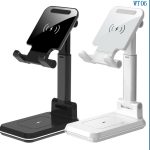
۲. پایههای شارژ بیسیم
پایههای شارژ بیسیم به طور فزایندهای برای میزها و پاتختیها محبوب شدهاند. آنها به کاربران اجازه میدهند:
- مشاهده اعلانها هنگام شارژ
- از تلفن برای تماسهای ویدیویی یا زنگ هشدار استفاده کنید
- حفظ زاویه دید ارگونومیک
از دیدگاه تولید، غرفهها باید موارد زیر را تضمین کنند:
- پایداری تراز کویل
- راندمان شارژ عمودی
- دوام سازهای
بسیاری از استندهای شارژ بیسیم خانگی اکنون از شارژ در حالت عمودی و افقی پشتیبانی میکنند.
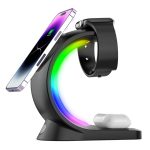
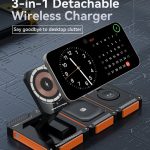
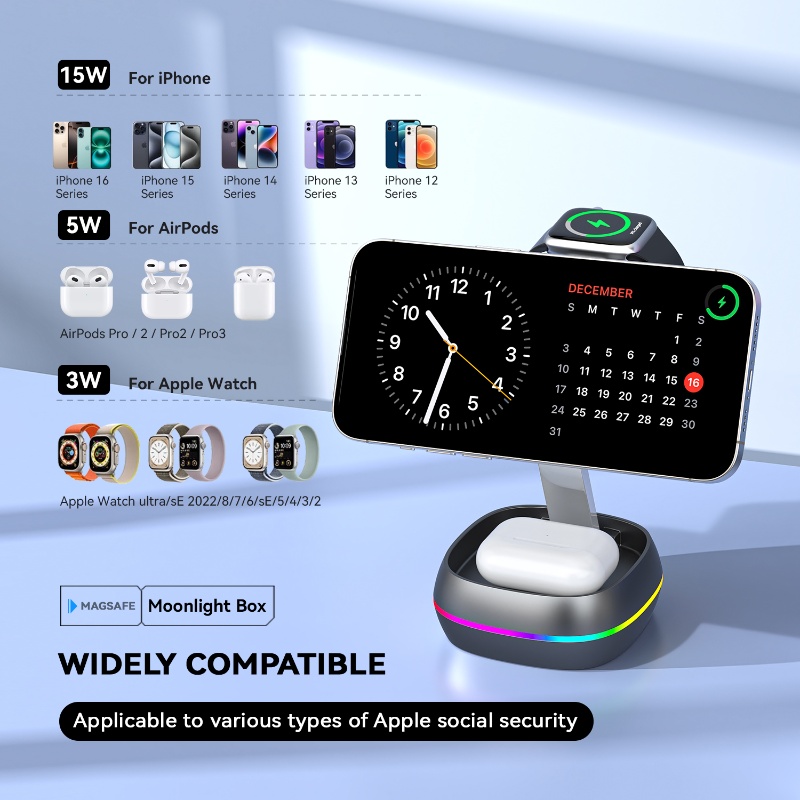
۳. ایستگاههای شارژ بیسیم چند دستگاهی
خانههای مدرن اغلب نیاز به شارژ همزمان چندین دستگاه دارند:
- گوشی هوشمند
- ساعت هوشمند
- هدفونهای بیسیم
ایستگاههای شارژ چند دستگاهه این نیاز را برطرف میکنند و به ویژه در بین افراد زیر محبوب هستند:
- خانوادهها
- علاقهمندان به فناوری
- کاربران اکوسیستم اپل
این ایستگاهها نیاز دارند:
- کانالهای قدرت مستقل
- متعادلسازی بار هوشمند
- محافظت در برابر جریان و دمای بیش از حد
از دیدگاه صنعتی، آنها راهکارهای شارژ خانگی با ارزش و حاشیه سود بالاتر را ارائه میدهند.
ادغام شارژ بیسیم در فضاهای خانه هوشمند
راهکارهای شارژ بیسیم اتاق خواب
اتاق خوابها مهمترین سناریوی کاربردی برای شارژ بیسیم خانگی هستند. اولویتهای کلیدی طراحی عبارتند از:
- تداخل الکترومغناطیسی کم
- عملیات بیصدا
- نشانگرهای LED مناسب برای شب
- محافظت در برابر گرمای بیش از حد برای شارژ در طول شب
شارژرهای بیسیم طراحیشده برای اتاق خواب باید استانداردهای ایمنی و حرارتی سختگیرانهتری را رعایت کنند.
شارژ دفتر کار خانگی و رومیزی
با تبدیل شدن کار از راه دور به جریان اصلی، دفاتر خانگی به موارد زیر نیاز دارند:
- شارژ سریع
- قابلیت مشاهده دستگاه
- مدیریت کابل تمیز
پایهها و پدهای شارژ بیسیم که برای میزها طراحی شدهاند، اغلب موارد زیر را در خود جای میدهند:
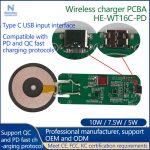
- ورودی برق USB-C
- آلیاژ آلومینیوم یا مواد درجه یک
- پایههای ضد لغزش
اتاق نشیمن و فضاهای مشترک
در محیطهای خانگی مشترک، شارژرهای بیسیم باید روی موارد زیر تمرکز کنند:
- سازگاری جهانی
- سطوح بادوام
- مقاومت در برابر نشت
- زیباییشناسی مینیمالیستی
برخی از راهکارهای پیشرفته خانگی شامل شارژ بیسیم داخلی در مبلمان، مانند میزهای قهوهخوری یا کابینتهای جانبی هستند.
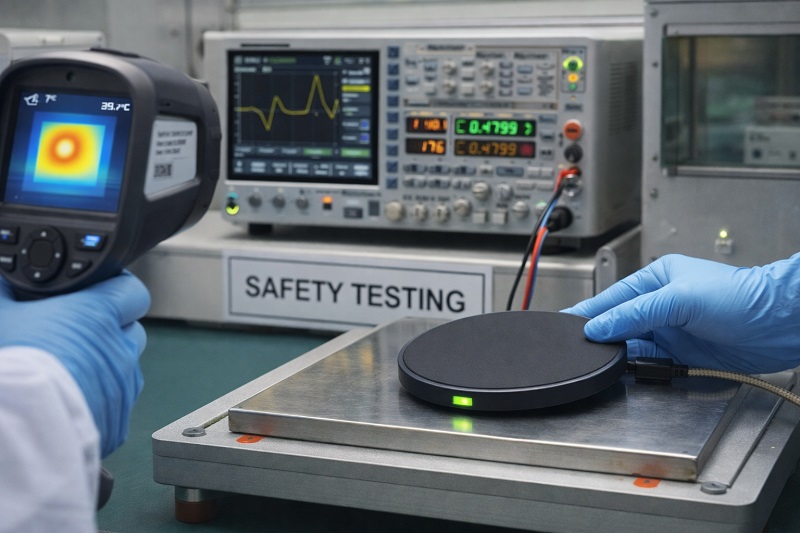
ایمنی و انطباق: دیدگاه یک تولیدکننده
ایمنی در شارژ بیسیم خانگی غیرقابل مذاکره است.
تولیدکنندگان حرفهای محصولاتی را طراحی میکنند که با موارد زیر مطابقت دارند:
- م.
- اف سی سی
- استاندارد RoHS
- گواهینامه چی
ویژگیهای کلیدی ایمنی عبارتند از:
- محافظت در برابر ولتاژ بیش از حد
- محافظت در برابر جریان بیش از حد
- کنترل دما
- تشخیص جسم خارجی (FOD)
برای مصارف خانگی، پایداری بلندمدت از حداکثر توان خروجی مهمتر است.
سفارشیسازی OEM/ODM برای راهکارهای شارژ بیسیم خانگی
برای برندها و خردهفروشان، سفارشیسازی یک مزیت عمده است.
گزینههای معمول OEM/ODM عبارتند از:
- پیکربندی توان (10 وات / 15 وات / چند دستگاهی)
- انتخاب مواد (ABS، آلیاژ آلومینیوم، پارچه)
- برندسازی لوگو و سفارشیسازی رنگ
- بستهبندی و بومیسازی دفترچه راهنمای کاربر
از دیدگاه صنعتی، ارائه راهکارهای کامل شارژ بیسیم خانگی به جای ارائه محصولات واحد، ارزش برند را به طور قابل توجهی افزایش میدهد.
پایداری و بهرهوری انرژی
پایداری در حال تبدیل شدن به یک عامل کلیدی خرید در بازارهای جهانی است.
شارژرهای بیسیم خانگی مدرن با ویژگیهای زیر طراحی شدهاند:
- راندمان تبدیل انرژی بالا
- مصرف برق آماده به کار پایین
- مواد بادوام برای طول عمر بالای محصول
- اجزای سازگار با محیط زیست
تولیدکنندگانی که در فرآیندهای تولید سبز سرمایهگذاری میکنند، از مزیت رقابتی بلندمدت بهرهمند میشوند.
روندهای آینده در شارژ بیسیم خانگی
از منظر صنعت، آینده شارژ بیسیم خانگی شامل موارد زیر است:
- شارژ بیسیم با قدرت بالاتر برای تبلتها و لپتاپها
- برق بیسیم در فواصل طولانی یا در مقیاس اتاق
- ادغام هوشمند با اینترنت اشیا و سیستمهای اتوماسیون خانگی
- اکوسیستمهای شارژ بیسیم ماژولار
شارژ بیسیم از یک وسیله جانبی به یک زیرساخت استاندارد خانگی تبدیل خواهد شد، مشابه روترهای وایفای امروزی.
نتیجهگیری: انتخاب شریک شارژ بیسیم خانگی مناسب
از دیدگاه تولید حرفهای، راهکارهای شارژ بیسیم خانگی ترکیبی از فناوری، ایمنی، طراحی و تجربه کاربری هستند.
برای برندها، واردکنندگان و توزیعکنندگان، انتخاب تولیدکنندهی مناسب شارژ بیسیم به معنای انتخاب شریکی است که بتواند موارد زیر را ارائه دهد:
- کیفیت پایدار
- محصولات دارای گواهینامه
- تولید مقیاسپذیر
- انعطافپذیری OEM/ODM
- پشتیبانی فنی بلندمدت
با ادامه تکامل خانههای هوشمند، شارژ بیسیم همچنان یک فناوری بنیادی باقی خواهد ماند و سبک زندگی متصل آینده را تقویت خواهد کرد.
ممکن است دوست داشته باشید
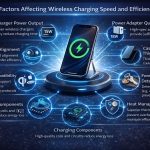
 چه عواملی بر سرعت و کارایی شارژ بیسیم تأثیر میگذارند؟
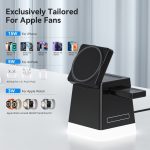
- بهترین ایستگاه شارژ برای محصولات اپل
- پخش کننده آروماتراپی بدون آب قابل حمل USB
- شارژر بیسیم مغناطیسی ۱۵ واتی خودرو و پایه ناوبری خودرو
- آیا شارژرهای بیسیم برای چندین دستگاه به طور همزمان کار میکنند؟
- آیا شارژرهای بیسیم برای گوشیهای هوشمند بیخطر هستند؟
- ایستگاه شارژ بیسیم مغناطیسی 3 در 1 با توان 15 وات و نور RGB برای تلفن، ساعت هوشمند و هدفون توگوشی
- ماژول شارژر بیسیم سریع 10 واتی سفارشی برای تلفن همراه جهانی میکرو Type-C
- آیا شارژرهای بیسیم به آداپتور یا دوشاخه مخصوص نیاز دارند؟
- پایه نگهدارنده تلفن شارژر بیسیم تاشو قابل حمل