Over the past decade, smartphone technology has evolved rapidly. From improved cameras and faster processors to foldable displays and artificial intelligence features, modern smartphones continue to push technological boundaries. One area that has experienced significant innovation is how devices are powered and charged.
Wireless charging, once considered a premium feature, has now become a common capability in many modern smartphones. As more manufacturers adopt this technology, many consumers and industry experts are asking an important question: Is wireless charging the future of smartphone power solutions?
In this article, we will explore how wireless charging works, why it is becoming increasingly popular, and whether it could eventually replace traditional wired charging methods.
The Evolution of Smartphone Charging Technology
When smartphones first appeared, charging methods were simple. Devices relied entirely on wired connections through charging cables and adapters. Over time, these cables evolved from micro-USB to USB-C and Lightning connectors, improving charging speeds and convenience.
However, wired charging still requires users to physically connect their devices. This limitation led engineers to explore wireless alternatives that could simplify the charging process.
Wireless charging technology began gaining widespread attention after the development of the Qi wireless charging standard by the Wireless Power Consortium. This standard allowed smartphones and charging accessories from different manufacturers to work together seamlessly.
Today, many smartphones from companies such as Apple, Samsung, and Google support Qi-compatible wireless charging.
Kaip veikia belaidis įkrovimas
Wireless charging uses electromagnetic induction to transfer power between two coils.
One coil is located inside the charging pad, while the other is integrated into the smartphone. When the phone is placed on the charging surface, an electromagnetic field transfers energy from the charger to the device battery.
The charger and the phone communicate continuously to regulate power flow, ensuring safe and efficient charging.
Although the technology may seem simple from a user’s perspective, the internal engineering behind wireless charging involves sophisticated power management systems and safety mechanisms.
Why Wireless Charging Is Becoming More Popular
Several factors are driving the rapid adoption of wireless charging technology.
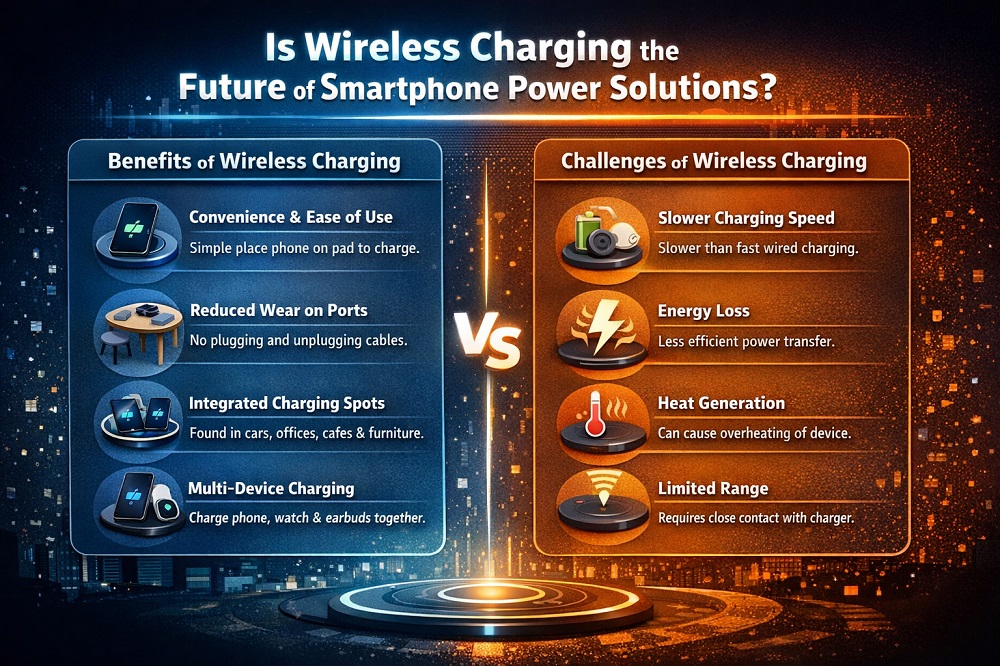
Convenience and Ease of Use
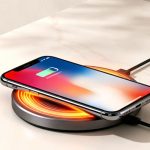
The biggest advantage of wireless charging is convenience. Instead of plugging in a cable every time, users simply place their phone on a charging pad.
This small change significantly improves the user experience, especially in environments such as offices, bedside tables, and cars.
Many consumers appreciate the simplicity of being able to charge their devices with minimal effort.
Reduced Wear on Charging Ports
Wired charging requires frequent insertion and removal of cables. Over time, this can cause wear and damage to charging ports.
Wireless charging eliminates this problem by removing the need for physical connectors.
As a result, devices may experience fewer hardware issues related to port damage.
Integration Into Everyday Environments
Wireless charging technology is increasingly integrated into everyday objects.
Today, wireless charging pads can be found in:
- Biuro stalai
- Furniture
- Cars
- Airports
- Coffee shops
- Public spaces
This integration allows users to charge their devices almost anywhere without carrying cables.
As wireless infrastructure expands, the technology becomes even more convenient.
Growth of Multi-Device Charging Solutions
Another major trend supporting wireless charging is the rise of multi-device charging stations.
These products allow users to charge multiple devices simultaneously, such as:
- Išmanieji telefonai
- Belaidės ausinės
- Išmanieji laikrodžiai
Many accessories are designed to work with products from companies like Apple and Samsung, making it easier for users to manage their entire device ecosystem.
Multi-device charging solutions are particularly popular for home and office environments.
The Advantages of Wireless Charging Technology
Wireless charging offers several advantages beyond convenience.
Improved Safety Features
Modern wireless chargers include advanced safety systems such as:
- Temperature monitoring
- Apsauga nuo viršįtampio
- Pašalinių objektų aptikimas
- Automatinis galios reguliavimas
These safety features help prevent overheating and protect device batteries.
Cleaner and More Organized Spaces
Wireless charging reduces the number of cables needed on desks and bedside tables.
For many users, this creates a cleaner and more organized environment.
Minimalist workspace setups often rely on wireless charging solutions to eliminate cable clutter.
Compatibility Across Multiple Devices
Thanks to the Qi wireless charging standard developed by the Wireless Power Consortium, many devices can be charged using the same charger.
This cross-compatibility simplifies charging setups and reduces the need for multiple charging accessories.
Challenges Facing Wireless Charging
Despite its advantages, wireless charging still faces several challenges that prevent it from completely replacing wired charging.
Charging Speed
Although wireless charging speeds have improved significantly, wired charging is still generally faster.
Some modern wired charging technologies can deliver extremely high power levels that reduce charging time dramatically.
Wireless charging technology continues to improve, but it still needs further development to match the fastest wired solutions.
Energy Efficiency
Wireless charging typically experiences some energy loss during power transfer.
This means that wireless chargers may consume slightly more electricity than wired chargers to deliver the same amount of power.
Engineers continue to work on improving energy efficiency to minimize these losses.
Heat Generation
Wireless charging can generate heat due to electromagnetic energy transfer.
High-quality chargers include thermal management systems to control temperature and maintain safe operating conditions.
Nevertheless, managing heat remains an important engineering challenge.
Emerging Innovations in Wireless Charging
The wireless charging industry is evolving rapidly with new innovations designed to address current limitations.
Magnetic Alignment Charging
Magnetic alignment systems help ensure that devices are perfectly positioned on charging pads.
This improves charging efficiency and reduces energy loss caused by poor coil alignment.
Faster Wireless Charging Standards
New wireless charging standards are increasing power output, allowing faster charging speeds while maintaining safety.
Future wireless chargers may rival the performance of wired charging technologies.
Long-Distance Wireless Power
Researchers are also developing technologies capable of transmitting power over longer distances.
Although still in early development stages, long-distance wireless charging could allow devices to charge automatically without direct contact with a charging pad.
If successfully implemented, this technology could transform how electronic devices are powered.
The Future of Smartphone Power Solutions
Wireless charging is unlikely to completely replace wired charging in the near future. Instead, the two technologies will likely coexist and complement each other.
Wired charging may remain the preferred option for situations requiring extremely fast charging.
Wireless charging, however, will continue to dominate in environments where convenience and simplicity are more important.
As wireless charging technology becomes faster, more efficient, and more widely available, it will play an increasingly important role in the smartphone ecosystem.
Išvada
Wireless charging has already transformed how many people power their smartphones and other electronic devices. With increasing adoption by major technology companies and continuous improvements in performance, wireless charging is becoming an essential part of modern consumer electronics.
While some challenges remain, ongoing innovation is steadily improving the speed, efficiency, and convenience of wireless charging systems.
For consumers, manufacturers, and technology companies alike, wireless charging represents a significant step toward a more seamless and cable-free future.
Jums gali patikti
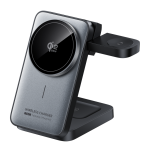
 3 viename stotelės belaidis įkroviklis MPP25W magnetinis įkroviklis, suderinamas su „iPhone“ serijos „AirPods“ ir „IWatch“
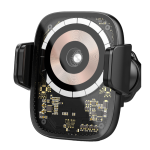
- 15 W „Magsafe“ belaidis automobilio įkroviklis, jautrus lietimui, skaidrus belaidis įkrovimas
- Ar belaidžiai įkrovikliai gali pakenkti baterijos veikimo laikui?
- Ar pigūs belaidžiai įkrovikliai yra patikimi ir saugūs?
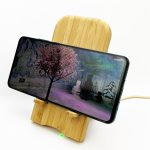
- Daugiafunkcis vertikalus horizontalus belaidis įkrovimas
- Naujo dizaino nešiojamas 3 viename greito įkrovimo sulankstomas magnetinis belaidis įkroviklis
- Geriausia 3 viename belaidė įkrovimo stotelė telefonui, ausinėms ir laikrodžiui – greitas įkrovimo sprendimas ant darbalaukio
- 3 viename 15 W sulankstomas stalinis laikiklis su belaidžiu magnetiniu įkrovimo stovu
- Nešiojamas USB bevandenis aromaterapijos difuzorius
- Nešiojamas 3 viename kelioninis įkroviklis su „MagSafe“ greitam belaidžiam įkrovimui