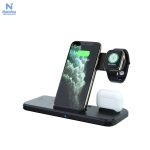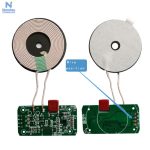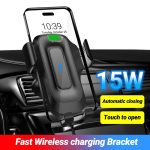
Wireless charging has rapidly evolved from a niche convenience into a mainstream feature found in many modern smartphones. As an expert in the smart charging industry, I’ve seen how the demand for cable-free power has reshaped phone design, accessories, and even user habits. Today, consumers expect their devices to work seamlessly with a wireless charger or wireless phone charger, whether at home, in the office, or in the car.
In this article, we’ll explore what wireless charging technology is, why it matters, and—most importantly—which phones currently support it. Along the way, you’ll gain a clear understanding of how to choose the right phone and charger combination for your needs.
Understanding Wireless Charger Technology
Wireless charging typically relies on electromagnetic induction. When you place a compatible phone on a wireless charging pad, energy is transferred from the charger’s coil to the phone’s internal coil—no cable required.
Most smartphones today use the Qi standard, which ensures broad compatibility across brands. Newer developments, such as magnetic alignment systems, have improved charging efficiency and stability, making the wireless phone charger experience more reliable than ever.
Why Wireless Charging Matters in Modern Smartphones
Before diving into specific phone models, it’s worth understanding why wireless charging has become so popular:
- Convenience: Simply place your phone on a pad—no plugging or unplugging.
- Reduced port wear: Charging ports experience less mechanical stress.
- Cleaner setups: Fewer cables on desks and nightstands.
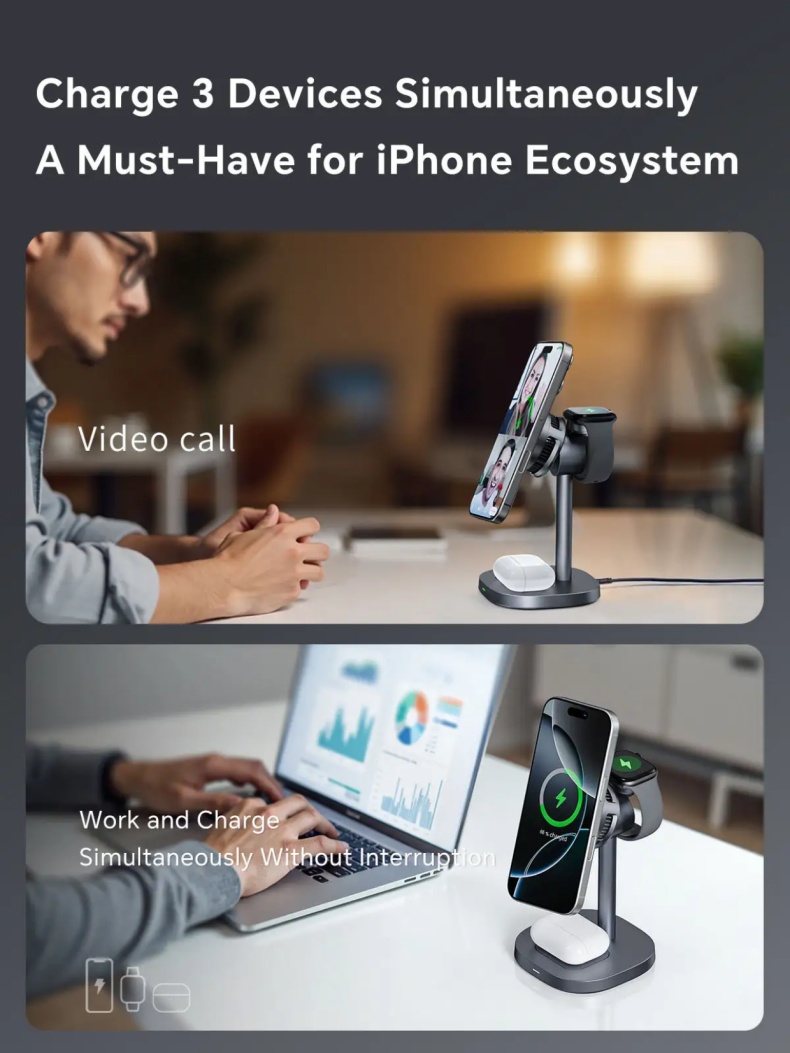
- Multi-device ecosystems: One wireless charger can often power phones, earbuds, and watches.
These benefits explain why more manufacturers are including wireless charging in both flagship and premium mid-range devices.
Apple iPhones That Support Wireless Charging
Apple introduced wireless charging with the iPhone 8, and since then it has become a standard feature across the lineup.
Wireless charging–compatible iPhones include:
- iPhone 8 / 8 Plus
- iPhone X, XR, XS, XS Max
- iPhone 11, 11 Pro, 11 Pro Max
- iPhone 12, 13, 14, 15 series (all variants)
Newer iPhones support magnetic alignment for improved positioning on a wireless charger, making charging faster and more consistent. For users invested in Apple’s ecosystem, a magnetic wireless phone charger is often the most convenient option.
Samsung Galaxy Phones with Wireless Charger Support
Samsung has been one of the strongest advocates of wireless charging in the Android world.
Samsung models with wireless charging include:
- Galaxy S series (from Galaxy S6 onward)
- Galaxy Note series (Note 8 through Note 20 Ultra)
- Galaxy Z Fold and Z Flip series
Many Samsung devices also support reverse wireless charging, allowing the phone itself to act as a wireless charger for earbuds or another phone—an especially useful feature when traveling.
Google Pixel Phones and Wireless Charging
Google’s Pixel line has steadily embraced wireless charging, particularly in its premium models.
Wireless charging–enabled Pixel phones include:
- Pixel 5 and later models
- Pixel Pro variants across recent generations
While Pixel phones generally use standard Qi wireless charging, newer models are optimized for higher efficiency when paired with certified wireless phone charger accessories.
Other Android Brands Supporting Wireless Charging
Wireless charging is no longer limited to just Apple and Samsung. Many other manufacturers now offer this feature in their high-end devices.
OnePlus
OnePlus 8 Pro
OnePlus 9 Pro, 10 Pro, and newer flagship models
Xiaomi
Mi and Xiaomi flagship series
Select premium Redmi and POCO models
Oppo
Find X series
Foldable Find N series
Sony
Xperia 1 and Xperia 5 series
These brands typically reserve wireless charging for their premium offerings, as the internal components and materials (such as glass backs) are better suited for efficient power transfer.
Phones That Do NOT Support Wireless Charging
It’s equally important to understand which phones usually don’t support wireless charging:
- Entry-level and budget smartphones
- Devices with plastic backs in lower price tiers
- Older models released before wireless charging became mainstream
In these cases, users must rely on traditional wired charging or add third-party accessories that enable limited wireless charging functionality.
How to Choose the Right Wireless Phone Charger
Owning a phone that supports wireless charging is only half the equation. To get the best experience, consider the following when choosing a wireless charger:
- Compatibility: Ensure the charger supports Qi or magnetic alignment standards used by your phone.
- Power output: Different phones accept different wireless charging speeds.
- Design: Flat pads, upright stands, and multi-device chargers all serve different use cases.
- Cooling and safety features: High-quality chargers include temperature control and foreign object detection.
A well-matched wireless phone charger not only improves charging speed but also protects battery health over time.
Kablosuz Şarjın Geleceği
Looking ahead, wireless charging technology continues to evolve. Higher power output, longer-distance charging, and broader compatibility are all on the horizon. As manufacturers push innovation forward, we can expect even more phones—across all price ranges—to support wireless charging as a standard feature.
Son Düşünceler
So, which phones support wireless charger technology? The answer is: most modern flagship smartphones and an increasing number of premium mid-range devices. From Apple and Samsung to Google, Xiaomi, and Oppo, wireless charging has become a defining feature of today’s smart devices.
If convenience, durability, and a clutter-free lifestyle matter to you, choosing a phone that works with a reliable wireless charger or wireless phone charger is a smart investment. As the technology continues to mature, wireless charging is no longer just an extra—it’s quickly becoming the norm.
Beğenebilirsiniz
 Kablosuz Şarj için Qi Standardı
- Özel Yapım Kablosuz Şarj PCBA Montajı Tedarikçisi
- Mobilya için masaüstü kablosuz şarj cihazı
- Taşınabilir 3'ü 1 arada Kablosuz Şarj İstasyonu 15W Katlanabilir Şarj İstasyonu iPhone AirPods Apple Watch için
- 15W Araç manyetik kablosuz şarj cihazı ve araç navigasyon standı
- 15W otomatik dokunmatik sensörlü araç kablosuz şarj cihazı
- Taşınabilir Araba Hava Temizleyici
- 15W cep telefonu standı araç kablosuz şarj cihazını otomatik olarak algılar
- Araba Kokusu Difüzörü
- Arabamda Kablosuz Şarj Cihazı Kullanabilir Miyim?