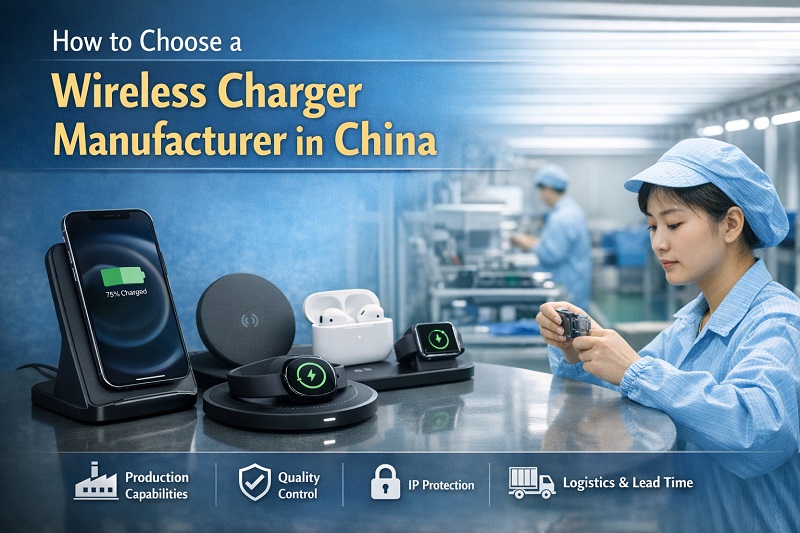
In the age of mobile technology, wireless charging has quickly become a must-have feature for smartphones, earbuds, smartwatches, and even laptops. As demand continues to grow globally, businesses looking to source wireless chargers often turn to China — the world’s largest manufacturing hub for electronics. However, finding the right manufacturer is not as simple as picking the lowest quote. To build a successful and sustainable partnership, you need to carefully evaluate capabilities, quality standards, communication, certifications, and business practices.
Selecting the right wireless charger manufacturer can make the difference between products that succeed in the market and costly setbacks. The following guide explores the key factors you should consider when choosing a Chinese supplier and how to make a confident decision.
1. Understand Your Product Requirements First
Before you even begin to search for manufacturers, you need a clear understanding of what you want to produce:
- Type of Wireless Charger: Pad, stand, car charger, multi-device charger, or custom-shaped solutions?
- Charging Technology: Standards such as Qi, PMA, or proprietary protocols.
- Power Output: 5W, 10W, 15W, 20W, or higher — depending on device compatibility and market trends.
- Design Requirements: Branding, logos, colors, materials (plastic, aluminum), and packaging.
- Certifications Needed: CE, FCC, RoHS, WEEE, Qi certification, etc.
By clarifying your specifications, you can better screen manufacturers for relevant experience and avoid wasteful communication.
2. Sourcing Reliable Manufacturers
a. Online Marketplaces
Platforms such as Alibaba, Global Sources, and Made-in-China.com host thousands of suppliers with product listings and business profiles. Use these to start building a shortlist.
b. Trade Shows
If possible, attend electronics expos such as the Canton Fair, Hong Kong Electronics Fair, and regional industry events. These allow you to meet suppliers face-to-face, inspect samples, and build rapport.
c. Sourcing Agents and Agencies
Sourcing agents in China can help identify manufacturers, negotiate pricing, and manage quality control — particularly useful if you lack local presence or Mandarin language skills.
d. Referrals and Networking
Recommendations from industry peers, LinkedIn connections, or business forums can lead to reputable manufacturers with proven track records.
3. Confirm Production Capabilities
Not every factory can handle every project. When evaluating manufacturers, ask detailed questions about their production capabilities:
- Production Processes and Facilities: Do they have modern machinery, automatic assembly lines, and enough capacity for your order volume?
- Minimum Order Quantity (MOQ): Confirm the MOQ and whether it fits your launch plans.
- R&D and Customization Support: Can they help with design tweaks, firmware, and firmware integration?
- Prototyping and Sampling: How fast can they provide samples, and is there a cost?
Manufacturers with strong engineering teams and advanced tooling can accelerate your time-to-market and support product differentiation.
4. Assess Quality Control and Certifications
Quality control is critical — poor builds, inconsistent performance, or safety issues can damage your brand reputation and lead to returns or legal problems.
Check Certifications
Confirm the manufacturer holds relevant certifications such as:
- Qi Certification: Essential for wireless chargers to ensure compatibility and safety.
- ISO 9001: Indicates a quality management system.
- CE / FCC / RoHS: Required for compliance in major export markets.
Request copies of certification documents and verify their authenticity when possible.
Quality Control Practices
Good manufacturers follow documented QC procedures including:
- Kontrola vstupného materiálu
- In-process monitoring
- Final testing (charging efficiency, temperature, foreign object detection)
- Pre-shipment inspection
If possible, hire a third-party inspection service (SGS, BV, Intertek, etc.) to audit production and confirm product quality before shipment.
5. Evaluate Communication and Transparency
Language barriers and delayed responses can slow the project timeline and cause misunderstandings.
Good communication indicators:
- Quick, clear replies in English or your preferred language.
- Willingness to discuss technical details.
- Transparency about capabilities, pricing, lead times, and potential limitations.
Avoid suppliers who are vague, unresponsive, or reluctant to provide detailed answers.
6. Pricing and Payment Terms
Price will always be a key factor, but it should never be the only deciding criterion. Extremely low quotes often hide quality compromises.
Pricing Checklist:
- Unit Price: Compare between multiple suppliers, but verify the specs are identical.
- Tooling and Mold Costs: For custom designs, confirm who pays and how costs are managed.
- Payment Terms: Common terms include 30% deposit and 70% before shipment. Consider using escrow or trade assurance services when available.
- Incoterms: Clarify responsibilities — EXW, FOB, CIF, DDP — depending on your logistics strategy.
7. Protect Your Intellectual Property (IP)
If you’re introducing an innovative design, protecting it is essential. Chinese manufacturers are generally cooperative, but you should take precautions such as:
- NDA Agreements: Signed before sharing any designs or specifications.
- Patents & Trademarks: Register your IP in China and key export markets.
- Confidentiality Clauses: In contracts with suppliers and partners.
IP protection reduces risks and gives you leverage if disputes arise.
8. Consider Logistics, Lead Time, and After-Sales Support
Plan for timely delivery and reliable after-sales service:
- Lead Time: Confirm realistic production and delivery timelines.
- Shipping Options: Air freight for fast delivery, sea freight for cost savings.
- Warranty and Support: Understand return policies, replacement parts, and technical support procedures.
Good manufacturers provide clear policies and support channels for post-sales service.
9. Conduct Factory Visits or Third-Party Audits
If feasible, visit the factory in person to inspect facilities, meet teams, and assess operations. If travel isn’t possible, hire a trusted third-party audit service to review:
- Workplace conditions
- Production lines
- Quality control systems
- Workforce capabilities
This step helps validate your decision and strengthens supplier accountability.
10. Build a Long-Term Partnership
Choosing a good manufacturer is not just a single transaction — it’s the start of a long-term relationship. Look for suppliers who:
- Value your business
- Offer suggestions for improvement
- Respond proactively to issues
A reliable partner will help you grow, innovate, and compete effectively in the wireless charging market.
In conclusion, choosing a wireless charger manufacturer in China requires careful planning, research, and due diligence. Define your product needs, vet suppliers thoroughly, verify quality standards, protect your IP, and prioritize transparent communication. With the right partner, you can confidently bring high-quality wireless charging produc.
When selecting a reliable wireless charger manufacturer in China, Shenzhen Nandou Technology Co., Ltd stands out as a trusted and experienced partner for global brands and distributors. As a technology-driven enterprise, Nandou Technology specializes in the R&D, mass production, and global sales of intelligent charging solutions, offering customers a complete and efficient one-stop service.
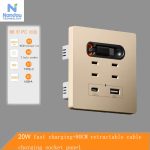
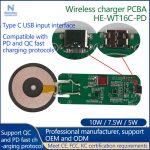
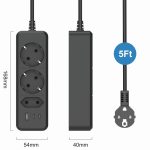
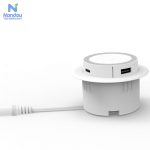
The company’s product portfolio is comprehensive, covering wireless chargers, wireless charger PCBAs, USB power strips with cables, USB adapters, USB wall outlets, and mobile phone chargers. These products are designed to meet charging needs across multiple scenarios, including home, office, and business travel, making them highly adaptable for different markets and consumer preferences.
Mohlo by sa vám páčiť
 Rastúce výhody bezdrôtových nabíjačiek telefónov: Od napájania k multifunkčnému inteligentnému bývaniu
- Môžem v aute používať bezdrôtovú nabíjačku?
- Intelligent In-Car Spray Aromatherapy – Smart Auto Spray Car Air Freshener for Modern Vehicles
- USB zásuvka s navíjacím káblom
- Na mieru vyrobený 10W rýchly bezdrôtový nabíjací modul Micro Type-C pre univerzálny mobilný telefón
- Európska 1,5-metrová káblová doska s USB a zásuvkou typu C v štýle EÚ s odizolovaným drôtom
- 25W Qi2.2 rýchla bezdrôtová nabíjačka 3 v 1 s nabíjacím stojanom a chladiacim ventilátorom pre iPhone
- Multifunkčná bezdrôtová nabíjačka pre vstavaný nábytok
- Ako vyriešiť problém s nefunkčnou bezdrôtovou nabíjačkou?
- Are Fast Wireless Chargers Safe for Long-Term Smartphone Use?