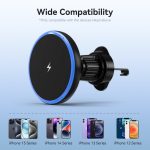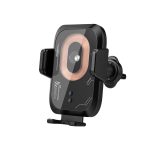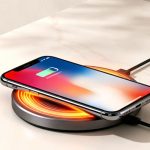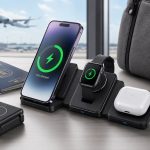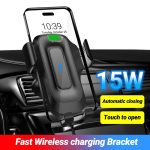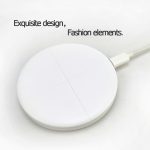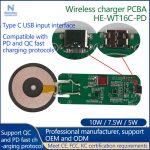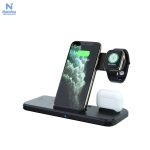
Wireless charging has become one of the most important technologies in modern consumer electronics. From smartphones and earbuds to smartwatches and automotive accessories, wireless power transfer is now widely adopted across multiple industries. At the center of every wireless charging device lies a critical component known as the Wireless Charger PCBA.
A Wireless Charger PCBA, or Printed Circuit Board Assembly, serves as the brain and control center of a wireless charging product. It manages power conversion, charging communication, voltage regulation, temperature protection, and overall system stability. Without a high-quality PCBA, even the most attractive wireless charger design cannot deliver safe, efficient, and reliable performance.
As global demand for wireless charging products continues to rise, manufacturers, OEM brands, and electronics buyers are increasingly searching for advanced Wireless Charger PCBAs that support faster charging speeds, higher efficiency, and better compatibility with modern devices.
This article explains what a Wireless Charger PCBA is, how it works, its key components, manufacturing process, advantages, applications, and future trends in the wireless charging industry.
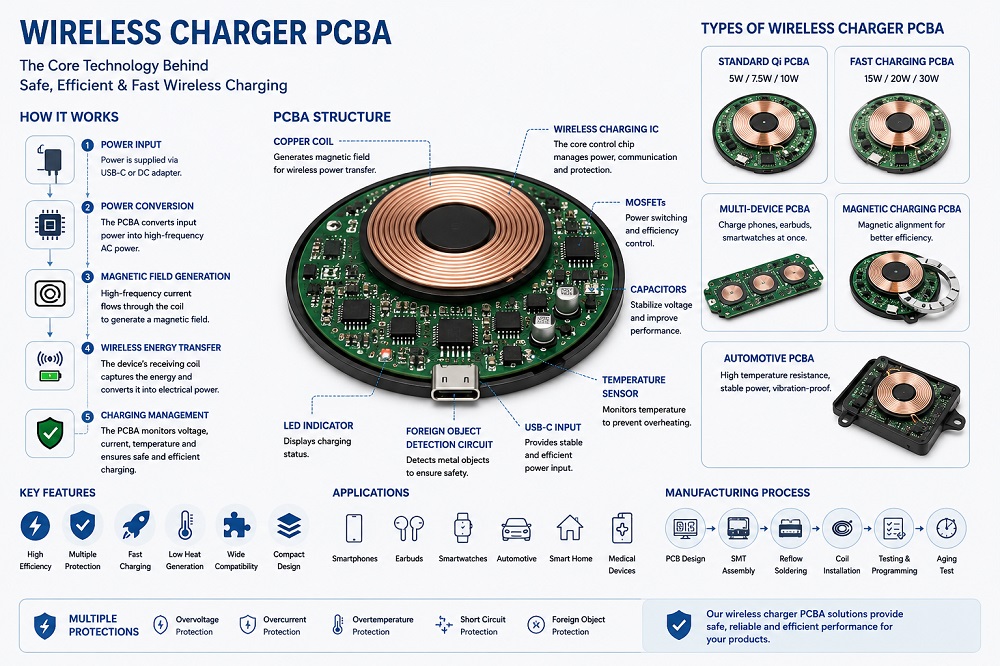
What Is a Wireless Charger PCBA?
A Wireless Charger PCBA is the assembled electronic circuit board used inside wireless charging devices. It integrates electronic components such as IC chips, capacitors, coils, MOSFETs, transformers, resistors, and communication modules onto a PCB to create a complete wireless charging control system.
The PCBA performs several important functions:
Converting power from AC or USB input into wireless energy
Managing voltage and current output
Detecting compatible devices
Protecting against overheating and overcurrent
Ensuring charging efficiency and safety
Supporting wireless charging protocols such as Qi
Most modern wireless chargers rely on electromagnetic induction technology. The PCBA controls the transmission coil to generate a magnetic field, which transfers energy to the receiving coil inside the smartphone or electronic device.
How Does a Wireless Charger PCBA Work?
The operating principle of a Wireless Charger PCBA is based on electromagnetic induction.
Here is a simplified explanation of the process:
1. Power Input
The wireless charger receives power through a USB-C port, Micro USB port, or DC adapter. The input power is delivered to the PCBA.
2. Power Conversion
The PCBA converts the incoming electrical power into high-frequency alternating current through control ICs and power management circuits.
3. Magnetic Field Generation
The alternating current flows through the charging coil mounted on the PCBA. This generates an electromagnetic field.
4. Wireless Energy Transfer
When a compatible device is placed on the charging pad, the receiving coil inside the device captures the magnetic energy and converts it back into electrical power.
5. Charging Management
The PCBA continuously monitors temperature, voltage, current, and foreign object detection to ensure safe and stable charging.
Main Components of a Wireless Charger PCBA
A high-performance Wireless Charger PCBA contains multiple precision electronic components working together.
Wireless Charging IC
The wireless charging IC is the core controller of the system. It manages power transfer, communication protocols, and charging efficiency.
Popular wireless charging chip suppliers include:
- Texas Instruments
- NXP
- STMicroelectronics
- NuVolta
- ConvenientPower
Copper Coil
The charging coil generates the magnetic field necessary for wireless power transfer. Coil design significantly affects charging efficiency and heat generation.
MOSFETs
MOSFETs are responsible for switching and power control. High-quality MOSFETs improve efficiency and reduce energy loss.
Capacitors and Resistors
These components stabilize voltage and current throughout the charging process.
Foreign Object Detection Circuit
This safety feature prevents metal objects such as coins or keys from overheating during charging.
Temperature Protection Module
Temperature sensors monitor heat levels and protect both the charger and the connected device.
LED Indicators
LED indicators display charging status, standby mode, or fault conditions.
Types of Wireless Charger PCBAs
Wireless Charger PCBAs are available in different configurations depending on the application.
Standard Qi Wireless Charger PCBA
Supports mainstream smartphones with Qi wireless charging compatibility.
Common output power:
- 5瓦
- 7.5W
- 10瓦
- 15瓦
Fast Wireless Charging PCBA
Designed for high-speed charging with advanced power management.
Features:
- Higher efficiency
- 更好的熱管理
- Fast charging protocols
Multi-Device Charging PCBA
Supports simultaneous charging for multiple devices such as:
- 智慧型手機
- 耳塞
- 智慧手錶
Magnetic Wireless Charging PCBA
Compatible with magnetic alignment systems similar to MagSafe technology.
優勢包括:
- Better charging alignment
- 充電效率提高
- 提升使用者體驗
Automotive Wireless Charging PCBA
Used in car wireless charging pads and automotive accessories.
Requirements include:
- High temperature resistance
- 穩定的功率輸出
- Vibration durability
Advantages of High-Quality Wireless Charger PCBAs
Improved Charging Efficiency
A professionally designed PCBA minimizes energy loss during power transfer.
High-end wireless charging PCBAs can achieve efficiency rates above 75%.
Better Safety Protection
Advanced protection systems reduce risks such as:
- Overheating
- Overvoltage
- Overcurrent
- Short circuits
Faster Charging Speeds
Optimized circuit design supports fast wireless charging standards.
Reduced Heat Generation
Efficient power conversion lowers operating temperature and improves product lifespan.
Wider Compatibility
High-quality PCBAs support multiple brands and devices.
Compact Design
Modern PCBAs allow thinner and smaller wireless charging products.
Manufacturing Process of Wireless Charger PCBAs
The production of Wireless Charger PCBAs requires precision engineering and strict quality control.
PCB Design
Engineers create the PCB layout based on charging requirements, thermal performance, and electromagnetic compatibility.
SMT Assembly
Surface Mount Technology (SMT) machines place electronic components onto the PCB with high precision.
Reflow Soldering
The PCB passes through a reflow oven to permanently solder components onto the board.
Coil Installation
The wireless charging coil is integrated with the PCBA.
Firmware Programming
Charging protocols and power management software are programmed into the IC.
Functional Testing
Each PCBA undergoes testing for:
- Charging performance
- Thermal stability
- Safety protection
- 相容性
Aging Test
Long-term operation tests ensure product reliability.
Important Features to Consider When Choosing a Wireless Charger PCBA
For OEM brands and electronics manufacturers, selecting the right PCBA supplier is essential.
Qi Certification Support
Qi-certified PCBAs provide better compatibility and safety assurance.
充電效率
Higher efficiency means less heat and better performance.
Thermal Management
Good thermal design improves durability and user safety.
客製化能力
Reliable suppliers can customize:
- PCB size
- Coil structure
- Power output
- Firmware
- LED indicators
Safety Compliance
Look for compliance with:
- 中央電氣
- 美國聯邦通訊委員會(FCC)
- RoHS
- Qi standards
Stable Supply Chain
A professional manufacturer should offer consistent component sourcing and production stability.
Applications of Wireless Charger PCBAs
Wireless Charger PCBAs are widely used across many industries.
Smartphone Wireless Chargers
最常見的應用是手機充電板和支架。.
無線充電家具
家具品牌將無線充電PCBA整合到以下產品中:
辦公桌
表格
床頭櫃
汽車電子
無線充電系統在汽車上的安裝越來越普遍。.
智慧家庭設備
許多智慧家庭產品都使用無線充電模組。.
醫療電子
無線電力傳輸提高了醫療設備的便利性和防水性能。.
穿戴式裝置
智慧手錶和健身追蹤器高度依賴緊湊型無線充電PCBA。.
無線充電器PCBA開發面臨的挑戰
儘管無線充電技術不斷進步,但仍存在一些技術挑戰。.
熱管理
快速充電會產生大量熱量,因此需要更好的散熱設計。.
電磁幹擾
不良的PCB佈局可能會導致EMI問題,影響附近的電子設備。.
充電距離限制
目前的無線充電技術仍需要近距離接觸。.
成本控制
高性能部件會增加生產成本。.
相容性問題
不同品牌可能使用不同的充電協議。.
無線充電器PCBA的未來發展趨勢
無線充電產業正在快速發展,為PCBA製造商創造了新的機會。.
更高功率的無線充電
未來的PCBA將支援更快的充電速度,超過50W甚至100W。.
氮化鎵技術集成
氮化鎵技術可以提高效率並縮小充電器尺寸。.
智慧電源管理
基於人工智慧的電源控制系統可以自動優化充電性能。.
更遠距離充電
研究人員正在開發無線充電解決方案。.
多功能集成
未來的PCBA可能包含以下組合:
- 無線充電
- 藍牙
- 環境照明
- 智慧感測器
環保設計
製造商越來越多地使用環保PCB材料和節能解決方案。.
為什麼OEM品牌更傾向於客製化無線充電器PCBA?
許多全球電子品牌選擇客製化無線充電器PCBA,而不是通用解決方案。.
客製化PCBA使品牌能夠:
- 打造獨具特色的產品設計
- 提高充電效率
- 在市場中實現產品差異化
- 新增專屬功能
- 優化產品成本
專業的PCBA製造商可以提供完整的OEM和ODM服務,包括產品設計、韌體開發、認證協助和大量生產支援。.
結論
無線充電器PCBA是現代無線充電產品的技術基礎。隨著消費者對更快、更安全、更方便的充電解決方案的需求日益增長,高品質PCBA設計的重要性也與日俱增。.
從智慧型手機和汽車電子產品到智慧家庭和穿戴式設備,無線充電器PCBA在為下一代電子產品供電方面發揮著至關重要的作用。.
對於品牌商、進口商和產品開發人員而言,選擇可靠的無線充電器PCBA製造商對於實現產品品質、安全合規性和長期市場成功至關重要。.
隨著快速充電、磁化對準、氮化鎵技術和智慧電源管理等技術的不斷進步,無線充電器PCBA的未來前景十分光明。如今投資於創新無線充電技術的公司,將在快速成長的全球電子市場中佔據有利地位。.