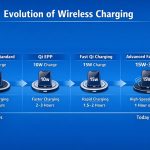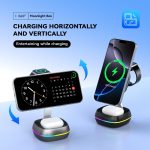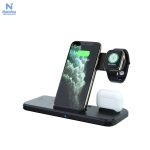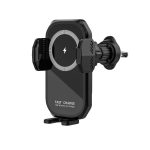
Bežično punjenje postalo je jedna od najvažnijih tehnologija u modernoj potrošačkoj elektronici. Od pametnih telefona i slušalica do pametnih satova i automobilske opreme, bežični prijenos energije sada je široko prihvaćen u brojnim industrijama. U središtu svakog uređaja za bežično punjenje nalazi se ključna komponenta poznata kao PCBA bežičnog punjača.
Bežični punjač PCBA, ili sklop tiskane pločice, služi kao mozak i kontrolni centar proizvoda za bežično punjenje. Upravlja pretvorbom energije, komunikacijom punjenja, regulacijom napona, zaštitom temperature i ukupnom stabilnošću sustava. Bez visokokvalitetne PCBA ploče, čak ni najatraktivniji dizajn bežičnog punjača ne može pružiti sigurne, učinkovite i pouzdane performanse.
Kako globalna potražnja za proizvodima za bežično punjenje nastavlja rasti, proizvođači, OEM marke i kupci elektronike sve više traže napredne PCBA ploče za bežične punjače koje podržavaju brže brzine punjenja, veću učinkovitost i bolju kompatibilnost s modernim uređajima.
Ovaj članak objašnjava što je PCBA bežični punjač, kako radi, njegove ključne komponente, proizvodni proces, prednosti, primjene i buduće trendove u industriji bežičnog punjenja.
Što je PCBA bežični punjač?
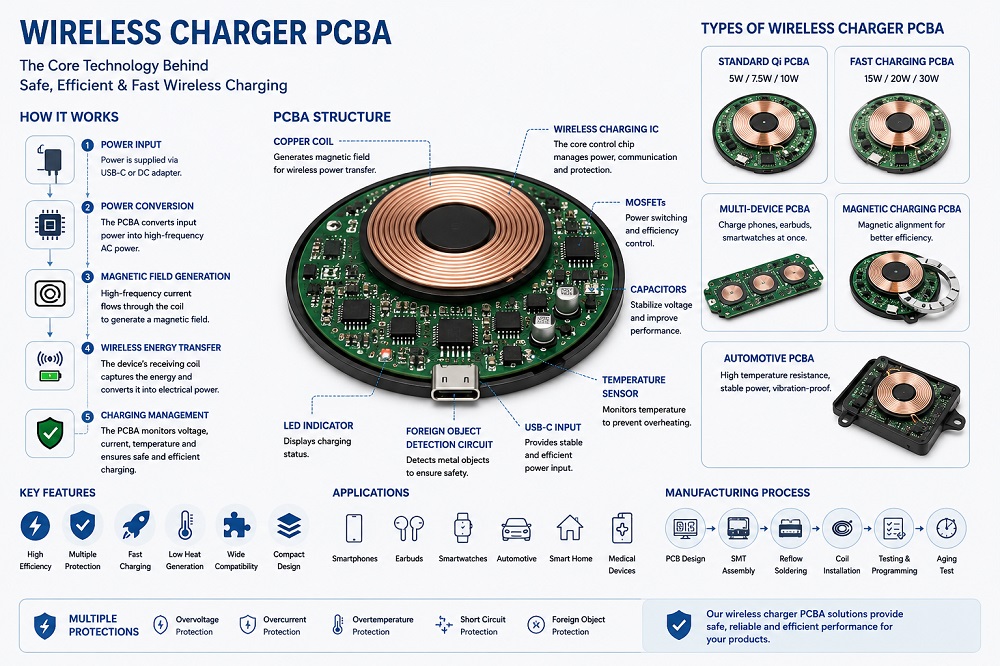
Bežični punjač PCBA je sastavljena elektronička ploča koja se koristi unutar uređaja za bežično punjenje. Integrira elektroničke komponente poput IC čipova, kondenzatora, zavojnica, MOSFET-ova, transformatora, otpornika i komunikacijskih modula na PCB kako bi stvorio cjeloviti sustav upravljanja bežičnim punjenjem.
PCBA obavlja nekoliko važnih funkcija:
Pretvaranje napajanja iz AC ili USB ulaza u bežičnu energiju
Upravljanje naponskim i strujnim izlazom
Otkrivanje kompatibilnih uređaja
Zaštita od pregrijavanja i prekomjerne struje
Osiguravanje učinkovitosti i sigurnosti punjenja
Podržava protokole bežičnog punjenja kao što je Qi
Većina modernih bežičnih punjača oslanja se na tehnologiju elektromagnetske indukcije. PCBA kontrolira prijenosnu zavojnicu kako bi generirala magnetsko polje koje prenosi energiju na prijemnu zavojnicu unutar pametnog telefona ili elektroničkog uređaja.
Kako radi bežični punjač PCBA?
Princip rada bežičnog punjača PCBA temelji se na elektromagnetskoj indukciji.
Evo pojednostavljenog objašnjenja postupka:
1. Ulazna snaga
Bežični punjač prima napajanje putem USB-C priključka, Micro USB priključka ili DC adaptera. Ulazna snaga se dovodi na PCBA.
2. Pretvorba snage
PCBA pretvara dolaznu električnu energiju u visokofrekventnu izmjeničnu struju putem upravljačkih integriranih krugova i krugova za upravljanje napajanjem.
3. Generiranje magnetskog polja
Izmjenična struja teče kroz zavojnicu za punjenje montiranu na PCBA. To generira elektromagnetsko polje.
4. Bežični prijenos energije
Kada se kompatibilni uređaj postavi na punjač, prijemna zavojnica unutar uređaja hvata magnetsku energiju i pretvara je natrag u električnu energiju.
5. Upravljanje punjenjem
PCBA kontinuirano prati temperaturu, napon, struju i detekciju stranih predmeta kako bi se osiguralo sigurno i stabilno punjenje.
Glavne komponente PCBA ploče bežičnog punjača
Visokoučinkovita PCBA ploča za bežični punjač sadrži više preciznih elektroničkih komponenti koje rade zajedno.
Bežično punjenje IC-a
Integrirani krug za bežično punjenje je glavni kontroler sustava. Upravlja prijenosom energije, komunikacijskim protokolima i učinkovitošću punjenja.
Popularni dobavljači čipova za bežično punjenje uključuju:
- Texas Instruments
- NXP
- STMicroelectronics
- NuVolta
- Prikladna snaga
Bakrena zavojnica
Zavojnica za punjenje generira magnetsko polje potrebno za bežični prijenos energije. Dizajn zavojnice značajno utječe na učinkovitost punjenja i stvaranje topline.
MOSFET-ovi
MOSFET-ovi su odgovorni za prebacivanje i kontrolu snage. Visokokvalitetni MOSFET-ovi poboljšavaju učinkovitost i smanjuju gubitak energije.
Kondenzatori i otpornici
Ove komponente stabiliziraju napon i struju tijekom cijelog procesa punjenja.
Krug za detekciju stranih predmeta
Ova sigurnosna značajka sprječava pregrijavanje metalnih predmeta poput kovanica ili ključeva tijekom punjenja.
Modul za zaštitu od temperature
Temperaturni senzori prate razinu topline i štite i punjač i priključeni uređaj.
LED indikatori
LED indikatori prikazuju status punjenja, stanje pripravnosti ili kvar.
Vrste PCBA-ova za bežične punjače
Bežični punjači s tiskanim pločicama dostupni su u različitim konfiguracijama ovisno o primjeni.
Standardni Qi bežični punjač PCBA
Podržava mainstream pametne telefone s Qi bežičnim punjenjem.
Uobičajena izlazna snaga:
- 5W
- 7,5 W
- 10 W
- 15 W
PCBA za brzo bežično punjenje
Dizajnirano za brzo punjenje s naprednim upravljanjem napajanjem.
Značajke:
- Veća učinkovitost
- Bolje upravljanje toplinom
- Protokoli za brzo punjenje
PCBA za punjenje više uređaja
Podržava istovremeno punjenje više uređaja kao što su:
- Pametni telefoni
- Slušalice
- Pametni satovi
PCBA s magnetskim bežičnim punjenjem
Kompatibilno s magnetskim sustavima za poravnavanje sličnim MagSafe tehnologiji.
Prednosti uključuju:
- Bolje poravnanje punjenja
- Poboljšana učinkovitost punjenja
- Poboljšano korisničko iskustvo
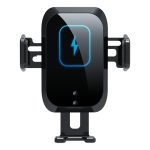
PCBA za bežično punjenje automobila
Koristi se u bežičnim punjačima za automobile i automobilskoj opremi.
Zahtjevi uključuju:
- Otpornost na visoke temperature
- Stabilna isporuka energije
- Otpornost na vibracije
Prednosti visokokvalitetnih PCBA-ova za bežične punjače
Poboljšana učinkovitost punjenja
Profesionalno dizajnirana PCBA ploča minimizira gubitak energije tijekom prijenosa snage.
Vrhunske PCBA ploče za bežično punjenje mogu postići učinkovitost iznad 75%.
Bolja sigurnosna zaštita
Napredni zaštitni sustavi smanjuju rizike kao što su:
- Pregrijavanje
- Prenapon
- Prekomjerna struja
- Kratki spojevi
Brže brzine punjenja
Optimizirani dizajn sklopa podržava standarde brzog bežičnog punjenja.
Smanjeno stvaranje topline
Učinkovita pretvorba energije snižava radnu temperaturu i produžuje vijek trajanja proizvoda.
Šira kompatibilnost
Visokokvalitetne PCBA ploče podržavaju više marki i uređaja.
Kompaktni dizajn
Moderne PCBA ploče omogućuju tanje i manje bežične proizvode za punjenje.
Proces proizvodnje PCBA-ova za bežične punjače
Proizvodnja PCB-ova za bežične punjače zahtijeva precizno inženjerstvo i strogu kontrolu kvalitete.
Dizajn PCB-a
Inženjeri stvaraju raspored PCB-a na temelju zahtjeva punjenja, toplinskih performansi i elektromagnetske kompatibilnosti.
SMT montaža
Strojevi s tehnologijom površinske montaže (SMT) postavljaju elektroničke komponente na PCB s visokom preciznošću.
Lemljenje reflowom
PCB prolazi kroz reflow peć kako bi se komponente trajno zalemile na ploču.
Ugradnja zavojnice
Bežična zavojnica za punjenje integrirana je s PCBA-om.
Programiranje firmvera
Protokoli punjenja i softver za upravljanje napajanjem programirani su u integriranom krugu.
Funkcionalno testiranje
Svaka PCBA se testira na:
- Performanse punjenja
- Termička stabilnost
- Sigurnosna zaštita
- Kompatibilnost
Test starenja
Dugotrajna ispitivanja rada osiguravaju pouzdanost proizvoda.
Važne značajke koje treba uzeti u obzir pri odabiru PCBA bežičnog punjača
Za OEM marke i proizvođače elektronike, odabir pravog dobavljača PCBA je ključan.
Podrška za Qi certifikaciju
Qi-certificirane PCBA ploče pružaju bolju kompatibilnost i sigurnost.
Učinkovitost punjenja
Veća učinkovitost znači manje topline i bolje performanse.
Toplinsko upravljanje
Dobar termalni dizajn poboljšava trajnost i sigurnost korisnika.
Mogućnost prilagodbe
Pouzdani dobavljači mogu prilagoditi:
- Veličina PCB-a
- Struktura zavojnice
- Izlazna snaga
- Firmver
- LED indikatori
Sigurnosna usklađenost
Potražite usklađenost sa:
- CE
- FCC
- RoHS
- Qi standardi
Stabilan lanac opskrbe
Profesionalni proizvođač trebao bi ponuditi dosljednu nabavu komponenti i stabilnost proizvodnje.
Primjene PCBA-ova za bežične punjače
Bežične PCBA ploče za punjenje široko se koriste u mnogim industrijama.
Bežični punjači za pametne telefone
Najčešća primjena su podloge i postolja za punjenje mobilnih telefona.
Bežično punjenje namještaja
Marke namještaja integriraju PCBA-e za bežično punjenje u:
Stolovi
Tablice
Noćni ormarići
Automobilska elektronika
Bežični sustavi za punjenje sve se više ugrađuju u vozila.
Pametni kućni uređaji
Mnogi pametni kućanski proizvodi koriste module za bežično punjenje.
Medicinska elektronika
Bežični prijenos energije poboljšava praktičnost i vodootpornost medicinskih uređaja.
Nosivi uređaji
Pametni satovi i fitness trackeri uvelike se oslanjaju na kompaktne PCBA ploče za bežično punjenje.
Izazovi u razvoju PCBA-a za bežične punjače
Iako tehnologija bežičnog punjenja nastavlja napredovati, i dalje postoje brojni tehnički izazovi.
Upravljanje toplinom
Brzo punjenje generira značajnu toplinu, što zahtijeva bolji termalni dizajn.
Elektromagnetska interferencija
Loš raspored tiskanih pločica može uzrokovati probleme s elektromagnetskim smetnjama koje utječu na obližnju elektroniku.
Ograničenja udaljenosti punjenja
Trenutna tehnologija bežičnog punjenja i dalje zahtijeva bliski kontakt.
Kontrola troškova
Visokoučinkovite komponente povećavaju troškove proizvodnje.
Problemi s kompatibilnošću
Različite marke mogu koristiti različite protokole punjenja.
Budući trendovi PCBA-a za bežične punjače
Industrija bežičnog punjenja se brzo razvija, stvarajući nove prilike za proizvođače PCBA-a.
Bežično punjenje veće snage
Buduće PCBA ploče će podržavati brže brzine punjenja veće od 50 W ili čak 100 W.
Integracija GaN tehnologije
Tehnologija galijevog nitrida može poboljšati učinkovitost i smanjiti veličinu punjača.
Pametno upravljanje napajanjem
Sustavi za upravljanje snagom temeljeni na umjetnoj inteligenciji mogu automatski optimizirati performanse punjenja.
Punjenje na veće udaljenosti
Istraživači razvijaju rješenja za bežično punjenje putem zraka.
Integracija više funkcija
Buduće PCBA ploče mogu kombinirati:
- Bežično punjenje
- Bluetooth
- Ambijentalna rasvjeta
- Pametni senzori
Ekološki dizajn
Proizvođači sve više koriste ekološki prihvatljive PCB materijale i energetski učinkovita rješenja.
Zašto OEM brendovi preferiraju PCBA-ove za bežične punjače po narudžbi
Mnogi globalni brendovi elektronike biraju prilagođene PCBA ploče za bežične punjače umjesto generičkih rješenja.
Prilagođene PCBA ploče omogućuju brendovima da:
- Izradite jedinstvene dizajne proizvoda
- Poboljšajte učinkovitost punjenja
- Diferencirajte proizvode na tržištu
- Dodajte ekskluzivne značajke
- Optimizirajte trošak proizvoda
Profesionalni proizvođači PCBA ploča mogu pružiti kompletne OEM i ODM usluge, uključujući dizajn proizvoda, razvoj firmvera, pomoć pri certificiranju i podršku za masovnu proizvodnju.
Zaključak
PCBA ploče za bežične punjače tehnološki su temelj modernih proizvoda za bežično punjenje. Kako potrošači zahtijevaju brža, sigurnija i praktičnija rješenja za punjenje, važnost visokokvalitetnog dizajna PCBA ploča i dalje raste.
Od pametnih telefona i automobilske elektronike do pametnih domova i nosivih uređaja, PCBA ploče za bežične punjače igraju ključnu ulogu u napajanju elektroničkih proizvoda sljedeće generacije.
Za robne marke, uvoznike i razvojne inženjere, odabir pouzdanog proizvođača PCBA ploča za bežične punjače ključan je za postizanje kvalitete proizvoda, sigurnosne usklađenosti i dugoročnog tržišnog uspjeha.
S kontinuiranim napretkom u brzom punjenju, magnetskom poravnanju, GaN tehnologiji i pametnom upravljanju napajanjem, budućnost PCBA-a za bežične punjače izgleda vrlo obećavajuće. Tvrtke koje danas ulažu u inovativne tehnologije bežičnog punjenja bit će dobro pozicionirane za natjecanje na brzo rastućem globalnom tržištu elektronike.
Možda će vam se svidjeti
 Brzi bežični punjači: Na što treba paziti (Vodič za dobavljače)
- Koji je najbolji bežični punjač za iPhone?
- Qi standard za bežično punjenje
- PD 30W AU utikač brzi punjač CE certificirani ultra kompaktni dizajn za TYPE – C
- Pametni osvježivač zraka za električni automobil | Luksuzni difuzor arome JK-051
- Ugrađeni pročišćivač zraka za automobil s mirisima i dvostrukim raspršivačem s dvije bočice Starlight
- Koji je najbolji USB produžni kabel s kabelom za kućnu upotrebu?
- Mogu li bežični punjači oštetiti vijek trajanja baterije?
- Stalak za mobitel od 15 W automatski prepoznaje bežični punjač za automobil
- Držač za mobitel u automobilu od 15 W s indukcijskim bežičnim punjenjem i aromaterapijom