The automotive fragrance market offers opportunities for brands looking to expand their car accessory collections with products that combine fragrance, design, and everyday convenience. For importers and wholesalers, choosing the right smart car aroma diffuser involves more than comparing appearance and purchase price. Product positioning, target customers, fragrance preferences, packaging, and supplier capabilities all influence the success of a new product line.
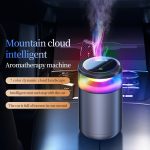
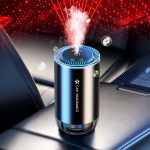
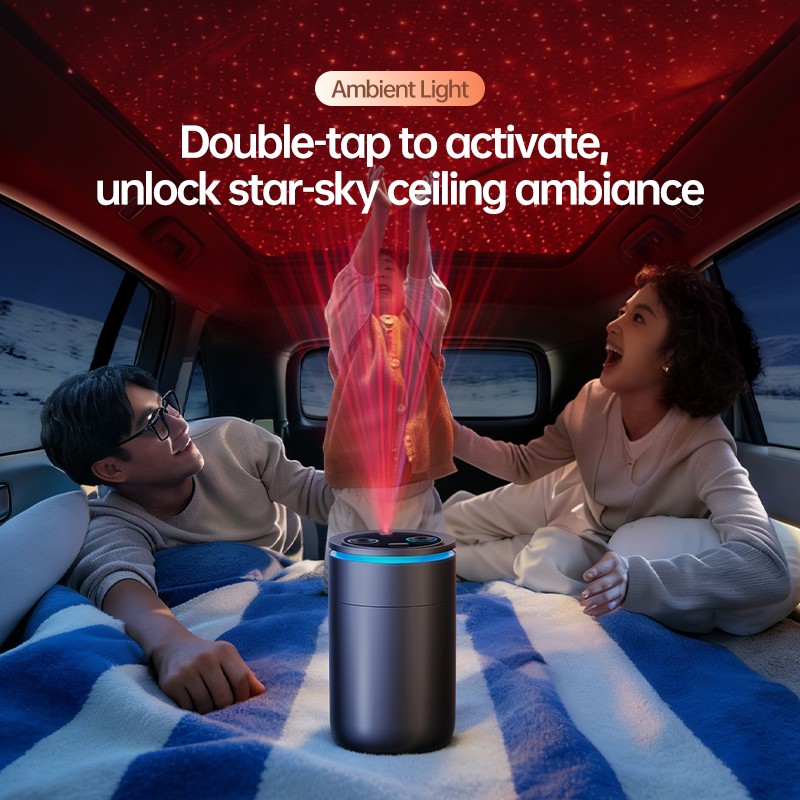
For businesses planning to introduce electronic car fragrance products, the JK-588 from Nandou Technology provides a product concept worth evaluating. Designed for modern vehicle interiors, it combines a dual-fragrance system with electronic fragrance delivery and decorative lighting. These features create opportunities for automotive accessory retailers, private-label brands, and distributors seeking alternatives to conventional car perfume products.
Why Are Electronic Car Fragrance Diffusers Worth Considering?
Traditional car fragrance products often rely on passive evaporation or simple vent-mounted designs. Electronic diffusers offer a different product experience by incorporating powered fragrance delivery and additional user-oriented functions.
For automotive accessory brands, this product category can support a more differentiated assortment. Instead of competing exclusively on fragrance selection or price, businesses can develop collections around convenience, interior aesthetics, product design, and technology-oriented features.
Appeal to Technology-Oriented Consumers
Consumers who enjoy modern automotive accessories may appreciate products that integrate fragrance with electronic functionality. A smart car aroma diffuser can complement other in-car accessories and provide retailers with a distinctive product to feature in online listings and showroom displays.
However, the best positioning depends on the intended audience. Before selecting a model, buyers should compare customer expectations, competing products, and the retail price range appropriate for their market.
Create a More Distinctive Product Assortment
A product with a recognizable design and multiple functions can help retailers build a more varied car fragrance category. The JK-588 uses a cup-holder format rather than the conventional air-conditioning vent clip, giving buyers another design direction to consider.
For businesses already selling car organizers, phone holders, charging accessories, or interior decorations, this type of product may fit naturally into an expanded automotive lifestyle collection.
Key Factors to Evaluate Before Buying a Car Aroma Diffuser
Successful product sourcing starts with a clear understanding of the intended sales channel. A model suitable for a premium automotive accessory store may not be the best choice for a price-sensitive promotional campaign. The following considerations can help purchasing teams evaluate different options.
1. Product Design and Installation
Consider how the diffuser will fit into the intended vehicle environment. Buyers should review its dimensions, placement requirements, operating controls, and compatibility with common interior layouts.
The JK-588 measures approximately 73 × 122 mm and uses a cup-holder-style design. Before placing a bulk order, distributors should evaluate the sample in representative vehicles to check stability, accessibility, and overall suitability.
2. Fragrance Selection and Performance
Fragrance quality is an important factor in customer satisfaction and repeat purchases. Different customers may prefer fresh, floral, woody, or perfume-inspired scents, so fragrance selection should reflect local preferences rather than assumptions about a global market.
Buyers should request fragrance samples and evaluate scent character, intensity, consistency, and performance under realistic operating conditions. Where refill products are planned, compatibility between the fragrance formulation and the dispensing system should also be confirmed.
3. Power Requirements and Operating Experience
Electronic fragrance products require a closer review of power input, battery specifications, controls, and operating behavior than passive air fresheners. These details can influence product usability, packaging information, and customer support requirements.
For the JK-588, the listed electrical specifications include a DC 5V input, 5V/1A rating, 2W rated power, and a 250 mAh battery. Buyers should confirm the final specifications and intended charging or power arrangement with the supplier before publishing technical claims or preparing retail packaging.
4. Packaging and Product Presentation
Packaging plays an important role in both e-commerce and physical retail. Clear product photography, concise feature descriptions, fragrance information, and understandable operating instructions can help customers evaluate an electronic car perfume diffuser before purchasing.
For B2B buyers, packaging should also be suitable for transportation, warehouse handling, and retail display. Private-label projects may require additional consideration of artwork approval, barcode placement, language requirements, and market-specific labeling.
Developing a Private-Label Car Fragrance Product Line
Private labeling allows automotive accessory brands to offer products under their own names rather than relying entirely on generic retail offerings. For businesses seeking to build a recognizable product range, a structured customization process can help align the product with existing brand guidelines and sales strategies.
Define Your Target Customer
Begin by identifying whether the product is intended for premium automotive accessory stores, online marketplaces, car dealerships, gift retailers, or general merchandise distributors. Each channel may have different expectations for design, packaging, price, and product documentation.
A clearly defined customer profile makes it easier to select appropriate fragrances, establish product positioning, and prepare relevant marketing materials.
Discuss Customization Requirements
Depending on manufacturing feasibility, buyers may discuss logo application, packaging artwork, fragrance choices, exterior appearance, and selected functional requirements with the supplier.
Not every customization request will be suitable for every model. Confirm which changes are available, whether they require tooling or development work, and how they affect minimum order quantities, pricing, and production schedules.
Approve Samples Before Mass Production
Sample evaluation is an essential step in private-label sourcing. Purchasing teams should inspect the product's appearance, fragrance delivery, controls, power performance, packaging, and overall workmanship before approving a production specification.
A written specification sheet and an approved reference sample can help establish consistent expectations between the
You May Like
 Why Choose a 6-in-1 Wireless Charging Night Light Alarm Clock for Your Bedroom?
- What Is the Charging Range of a Wireless Charger?
- Rechargeable Car Air Freshener
- How to Choose a Luxury Car Fragrance Supplier for Wholesale and Private Label
- Embedded Wireless Charger For Furniture
- What is a 3 in 1 wireless charger and how does it work?
- Why Choose a Wireless Charger Supplier in China? A Comprehensive Guide for Global Buyers
- Portable Car Air Freshener
- Smart Car Phone Charging Solutions: An Industry Guide for Modern Mobility
- Introduction to Car Incense