Wireless charging has become one of the most popular technologies in modern consumer electronics. From smartphones and earbuds to smartwatches and other portable devices, wireless power transfer is now a standard feature in many products. As demand grows, buyers often encounter two types of wireless chargers in the market: Qi-certified wireless chargers and non-certified wireless chargers.
For distributors, retailers, and brands sourcing products from manufacturers, understanding the difference between these two categories is critical. Certification affects product safety, compatibility, charging efficiency, and long-term reliability.
In this article, we will explore what Qi certification means, how certified and non-certified wireless chargers differ, and why choosing certified products is often the best decision for businesses and consumers.
Understanding the Qi Wireless Charging Standard
Before comparing certified and non-certified chargers, it is important to understand what Qi actually means.
Qi is the global wireless charging standard developed by the Wireless Power Consortium (WPC). The standard defines how wireless power transfer should work between a charging pad and a compatible device.
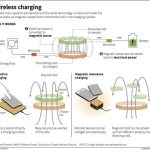
Qi technology uses electromagnetic induction to transfer energy between two coils: one in the charger and one inside the receiving device. When the two coils align properly, energy flows safely and efficiently to charge the battery.
Today, most major smartphone brands rely on Qi technology, including devices from Apple, Samsung, Google, and Huawei.
However, simply supporting wireless charging does not automatically mean a charger meets the official Qi certification requirements.
What Does Qi Certification Mean?
Qi certification indicates that a wireless charger has been tested and approved by the Wireless Power Consortium.
To receive certification, a product must pass strict testing procedures that verify:
- Charging efficiency
- Communication between charger and device
- Safety protection mechanisms
- Thermal management performance
- Electromagnetic compatibility
Only after successfully completing these tests can the product be labeled as Qi-certified and listed in the official WPC product database.
This certification ensures that the wireless charger works reliably with Qi-compatible devices.
What Are Non-Certified Wireless Chargers?
Non-certified wireless chargers are products that do not undergo official Qi certification testing. Some manufacturers may still design them based on Qi technology, but without verification by the Wireless Power Consortium.
These products are often cheaper because manufacturers avoid certification fees and testing costs.
However, non-certified chargers can vary greatly in quality. Some may perform adequately, while others may suffer from problems such as poor charging efficiency, unstable power delivery, or overheating.
For buyers sourcing wireless chargers in bulk, these differences can significantly affect product quality and brand reputation.
Key Differences Between Qi-Certified and Non-Certified Wireless Chargers
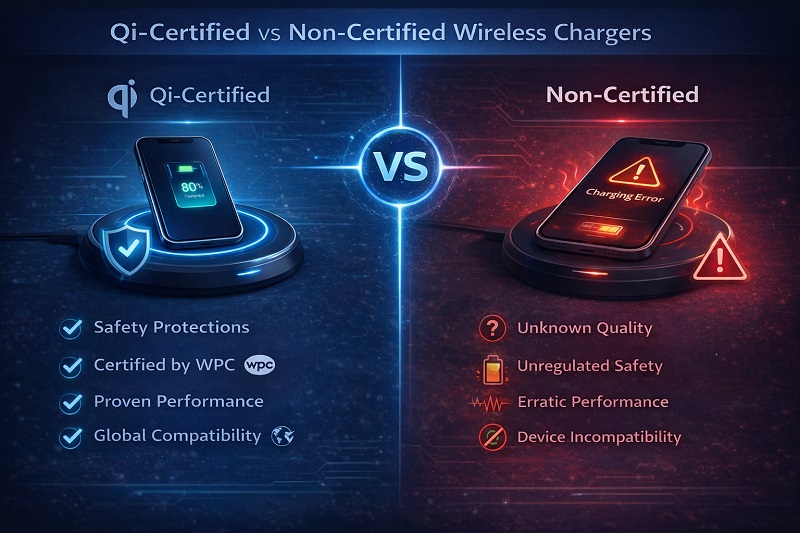
Safety and Protection
One of the biggest differences between certified and non-certified chargers is safety.
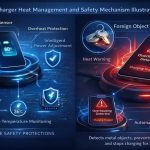
Qi-certified products must include built-in safety features such as:
- Over-voltage protection
- Over-current protection
- Temperature control
- Foreign object detection (FOD)
These protections help prevent overheating, battery damage, and electrical hazards.
Non-certified chargers may lack reliable protection circuits, increasing the risk of overheating or unstable charging.
For brands and distributors, this difference can directly impact product liability and customer trust.
Device Compatibility
Qi certification ensures that a wireless charger works properly with a wide range of devices that follow the Qi standard.
Certified chargers are tested with multiple devices to confirm compatibility.
For example, smartphones from companies like Apple and Samsung are designed to work seamlessly with Qi-certified accessories.
Non-certified chargers may still charge these devices, but compatibility is not guaranteed. Users might experience slower charging speeds or unstable connections.
For retailers selling to international markets, compatibility issues can lead to negative reviews and product returns.
Charging Efficiency
Another important difference lies in charging efficiency.
Qi-certified chargers are optimized to deliver stable and efficient power transfer. The charging process involves continuous communication between the charger and the receiving device to adjust power levels dynamically.
This ensures that the device receives the correct amount of energy without wasting power or generating excessive heat.
Non-certified chargers may lack this optimization, resulting in:
- Slower charging speeds
- Energy loss
- Increased heat generation
For consumers who expect fast and reliable charging, these differences can greatly affect the user experience.
Product Reliability and Durability
Certification testing also evaluates long-term product performance.
Qi-certified wireless chargers must meet strict reliability standards that ensure the device can operate safely over extended periods.
Manufacturers must demonstrate that the charger maintains stable performance under different environmental conditions.
Non-certified products may skip these tests, meaning long-term durability is not always guaranteed.
For brands developing private-label accessories, reliability is a critical factor in building customer loyalty.
Brand Trust and Market Acceptance
In global markets, Qi certification has become a symbol of quality and trust.
Many retailers and e-commerce platforms prefer or even require Qi-certified products because they reduce the risk of defective or unsafe devices entering the market.
Certification also improves credibility when selling accessories for premium devices from companies like Apple or Samsung.
For brands targeting international distribution channels, certification can significantly improve market acceptance.
Why Businesses Prefer Qi-Certified Wireless Chargers
For B2B buyers sourcing wireless chargers, choosing certified products offers several advantages.
First, certification reduces technical risks. Since the products have passed standardized testing, buyers can be confident in their safety and compatibility.
Second, certified products often generate fewer customer complaints and returns.
Third, certification helps brands maintain a professional reputation in competitive consumer electronics markets.
Although Qi-certified chargers may cost slightly more to produce, the long-term benefits usually outweigh the initial expense.
Are Non-Certified Wireless Chargers Always Low Quality?
It is important to note that not all non-certified wireless chargers are necessarily poor products.
Some experienced manufacturers design high-quality chargers that follow Qi specifications but choose not to apply for certification due to cost considerations.
However, without official verification, buyers must rely heavily on the manufacturer's engineering capability and quality control standards.
For this reason, selecting a reputable manufacturer is essential when sourcing wireless charging products.
How Manufacturers Achieve Qi Certification
Obtaining Qi certification involves several stages.
First, the wireless charger design must follow the technical specifications defined by the Wireless Power Consortium.
Next, the product undergoes laboratory testing to evaluate power transfer performance, communication stability, and safety mechanisms.
After passing the tests, the product receives an official Qi certification ID and is listed in the WPC database.
This process ensures that the charger meets global wireless charging standards.
The Future of Wireless Charging Standards
Wireless charging technology continues to evolve rapidly. New developments aim to improve charging efficiency, alignment accuracy, and power output.
The next generation of standards will further enhance user experience while maintaining strict safety requirements.
As the ecosystem grows, certification will remain an important factor in ensuring interoperability between devices and chargers.
Manufacturers, brands, and retailers that follow official standards will be better positioned to succeed in the expanding wireless charging market.
Conclusion
The differences between Qi-certified and non-certified wireless chargers go far beyond labeling. Certification represents a comprehensive verification process that ensures safety, compatibility, efficiency, and reliability.
While non-certified chargers may appear attractive due to lower costs, they often carry higher risks in terms of performance and product reputation.
For businesses sourcing wireless chargers for global markets, Qi-certified products provide a safer and more dependable choice.
As wireless charging continues to become a standard feature in modern electronics, certification will remain a key indicator of product quality and technological credibility.
You May Like
 Desktop wireless charger for furniture
- 15W Car magnetic wireless charger and car navigation stand
- What is the Best USB Power Strip With Cable for Home Use?
- Car Air Freshener
- Are Wireless Chargers Safe for Smartphones?
- Are Fast Wireless Chargers Safe for Long-Term Smartphone Use?
- 15W Touch sensing Punk style car wireless charger
- Do Wireless Chargers Work with Phone Cases?
- 15W three-in-one foldable wireless charger is compatible with the Samsung series
- Modern APP control LED moonlight lighthouse projector night light wireless charger